
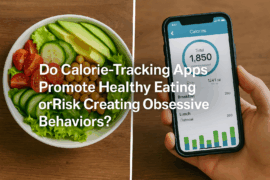
Introduction: The Debate Everyone’s Talking About
In today’s digital age, our phones are loaded with apps promising to improve our lives. From fitness trackers to meditation tools, health technology has become part of our daily routines. Among these, calorie-tracking apps like MyFitnessPal, Lose It!, HealthifyMe, and Fitbit stand out as some of the most popular tools for people trying to eat healthier, lose weight, or simply stay mindful of what they consume.
But here’s the big question:
👉 Do calorie-tracking apps genuinely promote healthy eating, or do they risk creating obsessive and unhealthy behaviors?
This debate is not just about apps — it’s about the balance between technology, mental health, and lifestyle choices.
On QaskMe, people are already discussing this topic, sharing personal stories, expert advice, and opposing viewpoints. Let’s dive deep into the pros, cons, psychology, and real-life experiences surrounding this hot issue.
Why People Love Calorie-Tracking Apps
1. Awareness of Eating Habits
Most people underestimate how many calories they consume in a day. A handful of chips, an extra soda, or even “healthy snacks” can add up quickly. Apps make people more aware of portion sizes, ingredients, and nutritional values.
2. Goal-Setting & Motivation
Calorie-tracking apps allow users to set weight-loss, weight-gain, or maintenance goals. Every time you log food, you see progress toward your daily or weekly target — providing a sense of achievement.
3. Accountability Partner in Your Pocket
For many, these apps act like a digital accountability coach. If you know you have to log every slice of pizza, you might think twice before overeating.
4. Integration with Fitness & Health Ecosystem
Modern apps sync with smartwatches, step counters, and workout trackers. This provides a complete view of calorie intake vs. calorie burn, making weight management easier.
The Dark Side – When Tracking Turns Obsessive
1. Food Anxiety & Guilt
Constantly logging every bite can make people anxious about food. Missing a log or going “over budget” can create guilt, shame, or feelings of failure.
2. Risk of Disordered Eating
Experts in mental health warn that strict calorie tracking may trigger or worsen eating disorders like anorexia or orthorexia, especially among young users.
3. Focus on Numbers Over Nutrition
Not all calories are equal. 500 calories from vegetables and lean protein are not the same as 500 calories from soda and chips. Apps often oversimplify food into numbers, ignoring quality.
4. Social Pressure & Comparison
Many apps include social features where people share progress. While this can inspire, it can also create toxic comparison and pressure, making people feel inadequate.
What Experts Say About Calorie Tracking
- Nutritionists argue that tracking can be a powerful tool if used short-term, but not as a lifelong practice.
- Psychologists highlight that the mental burden of constant tracking can backfire, especially for people with perfectionist tendencies.
- Fitness trainers recommend balancing calorie tracking with other measures like energy levels, strength, and overall wellness instead of just numbers.
Real-Life Stories from QaskMe Community
Success Stories
- “I lost 20kg by using a calorie-tracking app. It taught me portion control and gave me a sense of responsibility for my choices.”
- “I finally understood how much sugar I was consuming daily. Logging my meals opened my eyes.”
Struggles & Warnings
- “I became obsessed with logging every single item. Eating out with friends became stressful because I couldn’t find exact matches for food items.”
- “It started healthy but ended up controlling my life. I had to uninstall the app to regain peace of mind.”
Finding the Balance – Healthy Ways to Use Calorie-Tracking Apps
If you want the benefits without falling into the trap of obsession, here are expert-backed tips:
- Use it as a temporary learning tool, not forever.
- Focus on long-term habits, not just numbers.
- Don’t aim for perfection — missing a log is okay.
- Track weekly averages, not just daily ups and downs.
- Prioritize nutrition quality over pure calories.
- Take mental health breaks from tracking.
FAQs
Q1: Are calorie-tracking apps good for weight loss?
Yes, they can be effective for weight loss because they increase awareness and accountability. However, results depend on consistency and balance.
Q2: Can calorie-tracking apps cause eating disorders?
While not the direct cause, excessive reliance can worsen tendencies toward disordered eating. Experts recommend using them mindfully.
Q3: Which calorie-tracking app is the best?
Popular choices include MyFitnessPal, HealthifyMe, Lose It!, and Cronometer. The best app depends on your goals and lifestyle.
Q4: How to avoid obsession while using calorie trackers?
Set realistic goals, avoid perfectionism, focus on food quality, and take breaks if you feel anxious.
Conclusion: The Final Verdict
So, do calorie-tracking apps promote healthy eating or risk obsessive behaviors?
👉 The answer depends on how you use them.
Used wisely, they can educate, motivate, and guide healthier choices. But when taken to extremes, they can harm mental health and create anxiety around food.
At the end of the day, the goal is not just to eat fewer calories — it’s to live a healthier, happier, and more balanced life.
Join the Discussion on QaskMe!
This debate doesn’t end here. Everyone’s experience is different — and that’s what makes it interesting.