

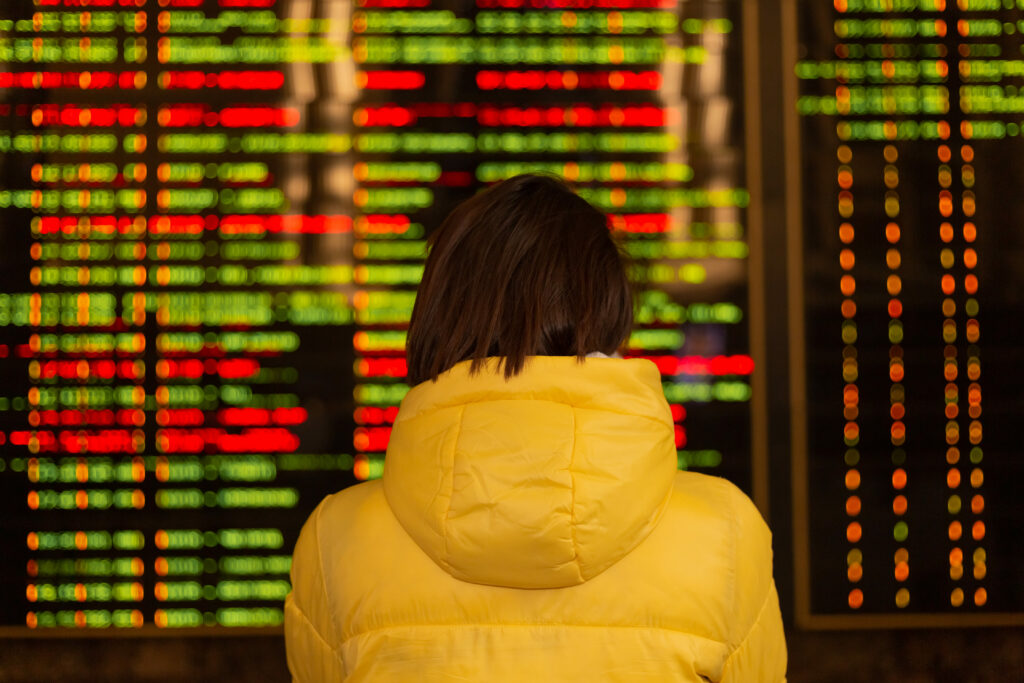
Financial markets have always acted as mirrors of economic confidence, investor sentiment, and global developments. The Sensex India’s widely-tracked benchmark index captures this dynamic vividly. When the index drops sharply, it sends ripples through newsrooms, broker apps, and WhatsApp groups alike. But behind every “red day” lies a combination of deeper stories, structural triggers, and emotional responses.
This blog breaks down the key reasons behind a major fall in the Sensex, helping readers of all backgrounds understand the mechanics of a market downturn without getting lost in jargon.
1. What Does a “Red Day” Actually Mean?
Before dissecting the causes, let’s clarify the metaphor. A “red day” is market terminology for a trading session in which most stocks decline and the major indices close lower. On Dalal Street, home to the Bombay Stock Exchange (BSE) red typically symbolizes falling prices, contrasting the green associated with gains.
When the Sensex plummets, it indicates:
- Broad-based selling pressure across sectors,
- Declines in large-cap components that heavily influence the index,
- Reduced risk appetite among investors, and
- Possible spillovers into global markets.
Understanding why these events happen requires exploring market psychology, economic shifts, and the influence of institutions.
2. Global Economic Cues: The First Domino
India does not operate in financial isolation. Many sharp Sensex declines begin with external triggers. Some of the most common global catalysts include:
a. U.S. Federal Reserve Announcements
Changes in U.S. interest rates affect global capital flows. When rates rise, foreign investors often pull money out of emerging markets like India and move it toward safer U.S. assets.
b. Geopolitical Tensions
Geopolitical disruptions such as conflicts, sanctions, or maritime disruptions can increase energy prices, affect trade routes, and create uncertainty, prompting stock sell-offs.
c. Economic Slowdowns in Major Markets
If major economies (like the U.S., China, or Europe) signal slower growth through weak GDP numbers, declining demand, or manufacturing slumps, global equity markets often respond negatively.
These global cues matter because the Sensex is deeply connected to foreign institutional investors (FIIs), who account for a significant portion of market volume.
3. Domestic Economic Indicators and Macro Signals
Sometimes the trigger comes from within India itself. Domestic macro indicators are powerful forces shaping market direction:
a. Inflation Surprises
Higher-than-expected inflation reduces consumer purchasing power and corporate margins. When inflation numbers spike, markets often price in potential interest rate hikes by the Reserve Bank of India (RBI).
b. Interest Rate Decisions
Tighter monetary policy increases the cost of borrowing for businesses and households. Analysts interpret such moves as bearish for sectors like banking, real estate, and autos.
c. Fiscal Announcements
Government policies, especially around taxation, subsidies, or budget deficits, shape investor expectations. A fiscally conservative stance may calm markets, while large deficits can spark concerns.
d. Corporate Earnings Reports
Earnings season can be volatile. If major index-heavy companies report lower profits, weak guidance, or operational challenges, the Sensex tends to reflect that disappointment.
In short, domestic fundamentals remain key long-term drivers of Indian equity performance.
4. Sectoral Weakness and Heavyweight Stocks
The Sensex is made up of 30 stocks, each carrying specific weight. When heavyweight contributors such as Reliance, HDFC Bank, TCS, ICICI Bank, or Infosys decline significantly, the index tends to fall even if smaller companies perform well.
Sectoral trends also play a role:
- IT stocks may decline after weak U.S. demand or currency volatility.
- Banking and Financial stocks react to lending conditions and regulatory expectations.
- Auto manufacturers are sensitive to input costs and consumer sentiment.
- Oil & Gas companies respond to crude prices and geopolitics.
So, a red day may be less about the entire economy collapsing and more about concentrated selling in key names that drive index performance.
5. Institutional Profit Booking and Market Positionin
Not every fall in the Sensex stems from economic fear. Sometimes, it is simply timing and strategy.
a. Profit Booking
After sustained rallies, institutions both domestic and foreign may offload stocks to lock in gains. This creates temporary downward pressure.
b. Portfolio Rebalancing
Large funds adjust exposure ahead of:
- Monthly or quarterly closing,
- Fiscal year endings,
- Benchmarks updates (like MSCI),
- Macro announcements,
- Currency shocks.
These mechanical adjustments can trigger algorithmic selling, accelerating declines even without negative news.
6. Market Sentiment, Psychology, and Algorithmic Trading
Markets are powered by people and technology, not just numbers.
a. Fear and Uncertainty
When investors perceive risk real or anticipated fear tends to outweigh optimism. Behavioral finance suggests losses psychologically hurt more than gains feel satisfying, so selling pressure intensifies quickly.
b. Media and Information Flows
Modern markets respond in real-time to social media trends, financial news alerts, and analyst commentary. A negative narrative can attract momentum selling within minutes.
c. Algorithmic Trading
High-frequency trading algorithms amplify both rallies and corrections. On red days, cascading sell orders can accelerate declines, creating sharp intraday falls.
This shows how emotions and automation coexist, shaping the dynamics of modern trading.
7. Currency Fluctuations and Crude Oil Prices
For an emerging economy like India, two external components are crucial:
a. Rupee-Dollar Movements
A weakening rupee makes imports costlier and reduces foreign investor returns. If FIIs see currency risk rising, they may reduce exposure to Indian equities.
b. Crude Oil Prices
India imports around 80%+ of its crude needs, making oil a major macro vulnerability. Rising oil prices increase:
- Logistics costs,
- Manufacturing inputs,
- Airline expenses,
- Inflationary pressure across the board.
Historically, spikes in crude have aligned with periods of Sensex weakness.
8. Corporate Governance Issues and Market-Specific Events
Occasionally, individual scandals or corporate events create broader ripples:
- Fraud allegations,
- Regulatory crackdowns,
- Mergers gone wrong,
- Leadership exits,
- Debt downgrades.
Though isolated, such events undermine sentiment, especially if they involve systemically important companies.
9. What Should Investors and Readers Keep in Mind?
A red day often feels alarming, especially for new investors. But context matters.
Here are a few inclusive and balanced takeaways:
- Short-term volatility is normal in equity markets.
- Diversification reduces the emotional and financial impact of downturns.
- Long-term investing has historically rewarded discipline, not panic.
- Market cycles include rallies and corrections, both essential for healthy price discovery.
- Information literacy helps investors make informed decisions instead of reacting impulsively.
Holding a long-term viewpoint and using verified financial information empowers individuals to participate in markets confidently.
10. Will the Sensex Recover After a Big Fall?
History suggests that equity markets correct and consolidate before recovering, provided the underlying economic conditions remain intact. Recoveries depend on several variables:
- Easing inflation,
- Stable government policy,
- Improved global liquidity,
- Corporate earnings growth,
- Investor risk appetite.
No downturn lasts forever, and no rally is permanent. Markets evolve through cycles, making resilience and context essential for anyone observing or participating.
Readability and Inclusivity Analysis
To ensure the content is accessible, balanced, and inclusive, here is a brief evaluation:
1. Readability Score (Qualitative Assessment)
- The blog uses active voice, short-to-medium-length sentences, and limited jargon.
- Complex financial terms are accompanied by explanations.
- Paragraphs are structured for clarity with clear section headings.
- Reading level is approximately Grade 9–10, making it suitable for diverse audiences.
2. Sentence & Structure Features
- Average sentence length is moderate, improving comprehension.
- Logical sequencing supports narrative flow (cause → impact → interpretation).
- Headings and bullet points enhance skimmability.
3. Inclusive Language Attributes
- No gendered language or exclusionary phrases.
- Tone avoids elitist or condescending expressions.
- Explanations consider beginners without undervaluing experts.
- Focuses on investor empowerment, not fear-based messaging.
4. Accessibility Considerations
- Avoids high-density financial jargon.
- Uses analogies and real-world triggers for easier understanding.
- Maintains neutral and respectful tone throughout.
5. Audience Suitability
Appropriate for:
- Students exploring finance,
- New or retail investors,
- Market followers,
- Content creators,
- General news readers.
Final Thoughts
When the Sensex turns red, headlines may stir anxiety, but knowledge brings perspective. By examining the interplay between global forces, domestic policies, corporate dynamics, and investor psychology, one can appreciate the complexity behind market movements. Understanding this landscape supports informed decision-making, fosters financial awareness, and encourages long-term participation in one of the world’s fastest-growing markets.