

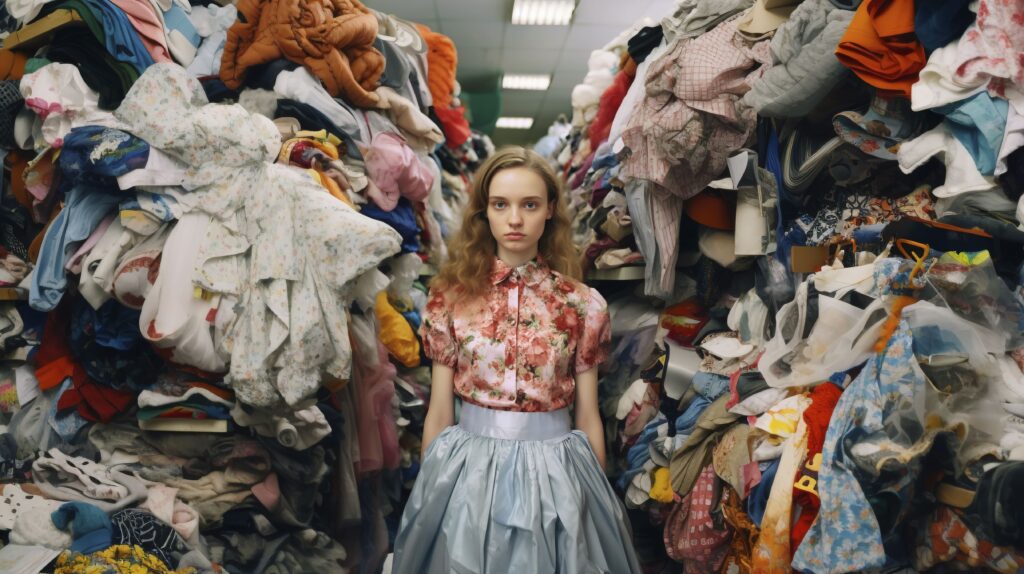
Fashion has always reflected the way societies think, move, and evolve. From handmade garments crafted to last for decades to today’s fast-paced trend cycles, clothing tells a story about culture, identity, and economics. Yet the modern fashion system is facing a growing challenge: how to balance creativity and consumption with responsibility toward people and the planet.
Circular fashion has emerged as one of the most promising responses to this challenge. Rather than following a traditional “take-make-dispose” model, circular systems aim to keep clothing in use for as long as possible through thoughtful design, reuse, repair, and recycling. Understanding this shift is essential for anyone interested in the future of style, sustainability, and ethical production.
What Is Circular Fashion?
Circular fashion is built on a simple but powerful idea: clothing should move in a continuous loop instead of ending up as waste. In a circular model, garments are designed to be durable, repairable, recyclable, or biodegradable. Materials are chosen with care, production processes aim to reduce harm, and consumers are encouraged to extend the life of what they own.
This approach does not mean sacrificing creativity or personal expression. Instead, it challenges designers and brands to innovate in smarter ways using recycled fibers, modular construction, and low-impact dyes, while also creating timeless pieces that remain relevant beyond a single season.
At its heart, circular fashion asks a meaningful question: What happens to our clothes after we stop wearing them? The answer shapes how the industry must change.
Why the Current Fashion System Needs Rethinking
Over the past two decades, clothing production has accelerated dramatically. Fast fashion made trendy garments affordable and accessible, but it also introduced hidden costs. Shorter wear cycles, synthetic materials, and large-scale manufacturing contribute to environmental strain and labor concerns.
Millions of tons of textile waste are generated globally each year, with a significant portion ending up in landfills or incinerators. Many fabrics especially blended synthetics are difficult to recycle, meaning valuable resources are lost after only a few uses.
Beyond environmental impact, there is also a social dimension. Workers across the supply chain often face unstable wages and unsafe conditions. Circular fashion encourages transparency and fairness, recognizing that sustainability includes human well-being as much as ecological balance.
The Core Principles of Circular Fashion
Circular fashion is not a single solution but a framework supported by several interconnected principles:
1. Designing for Longevity
Clothing that lasts longer reduces the need for constant replacement. Durable stitching, quality materials, and timeless silhouettes all contribute to extended wear. Emotional durability matters too people keep garments longer when they feel meaningful and versatile.
2. Reuse and Repair
Repairing a torn seam or replacing a button may seem small, but collectively these actions significantly reduce waste. Resale platforms, clothing swaps, and rental services also help garments circulate among multiple users instead of being discarded early.
3. Recycling and Material Recovery
When clothing can no longer be worn, recycling becomes essential. Mechanical recycling breaks fabrics into fibers for reuse, while emerging chemical processes can separate blended textiles into new raw materials. Although still developing, these technologies hold enormous potential.
4. Responsible Production
Circularity begins before a garment is even made. Ethical labor practices, renewable energy, and reduced water usage all contribute to a healthier system. Transparency allows consumers to understand the real story behind what they buy.
Innovations Driving Clothing Recycling Forward
Technology is transforming what is possible in textile recovery. Scientists and designers are experimenting with fibers made from agricultural waste, regenerated cellulose, and even lab-grown materials. These innovations reduce dependence on virgin resources while opening new creative directions.
Sorting technology powered by automation and digital tracking is also improving recycling efficiency. Some brands now embed digital tags or QR codes in garments, allowing materials to be identified and processed correctly at the end of their life cycle.
Equally important is the rise of community-based solutions. Local repair studios, secondhand marketplaces, and donation networks create accessible pathways for participation. Circular fashion succeeds not only through high-tech breakthroughs but also through everyday collective action.
The Role of Consumers in a Circular Future
While brands and policymakers shape large-scale systems, individual choices still matter. Circular fashion invites people to rethink their relationship with clothing not as disposable items, but as valuable resources.
Simple habits can make a meaningful difference:
- Buying fewer, higher-quality pieces
- Caring for garments through proper washing and storage
- Repairing instead of replacing
- Exploring secondhand, rental, or swap options
- Recycling textiles responsibly when they are no longer usable
These steps are not about perfection. They are about gradual progress and shared responsibility.
Inclusivity and Accessibility in Sustainable Fashion
For circular fashion to succeed globally, it must remain inclusive and accessible. Sustainability cannot be limited to premium price points or niche communities. Everyone deserves the opportunity to participate in responsible fashion, regardless of income, location, body type, gender identity, or cultural background.
Designers are increasingly recognizing this need by offering extended sizing, adaptive clothing, and culturally respectful collaborations. Affordable resale platforms and community repair programs also help bridge economic gaps.
True circularity values diversity of people, traditions, and perspectives. When more voices shape the future of fashion, solutions become stronger and more equitable.
Challenges That Still Need Solutions
Despite growing momentum, circular fashion faces real obstacles. Recycling blended fabrics at scale remains technically complex and costly. Infrastructure for textile collection and processing is uneven across regions. Consumer awareness varies widely, and greenwashing can create confusion.
Policy support will be critical. Regulations encouraging producer responsibility, waste reduction, and transparent reporting can accelerate progress. Collaboration across governments, brands, researchers, and communities is essential to move from isolated initiatives to systemic change.
Acknowledging these challenges does not weaken optimism it makes solutions more realistic and achievable.
Imagining the Future Wardrobe
Picture a wardrobe where every piece has a story of care and continuity. A jacket repaired multiple times yet still stylish. A dress made from regenerated fibers that can be recycled again. Shoes designed for disassembly so each component finds new life.
Digital technology may allow people to track a garment’s journey from raw material to resale to recycling—creating deeper emotional connection and accountability. Fashion could shift from rapid consumption toward thoughtful curation, where style evolves without unnecessary waste.
In such a future, creativity thrives alongside responsibility. Beauty and sustainability are no longer separate ideas but parts of the same design language.
Moving From Awareness to Action
Understanding circular fashion is only the first step. Real change happens when awareness turns into consistent behavior by individuals, businesses, and institutions alike.
Small decisions accumulate. Choosing repair over replacement. Supporting transparent brands. Sharing knowledge within communities. Each action contributes to a broader cultural shift toward mindful consumption.
Progress may feel gradual, but history shows that industries can transform when collective values change. Fashion, with its powerful influence on identity and expression, has the potential to lead rather than follow.
Conclusion: A More Thoughtful Fashion Era
The future of fashion is not defined solely by new trends or technologies. It is shaped by how thoughtfully we create, wear, and care for clothing. Circular fashion offers a hopeful pathway one where resources are respected, workers are valued, and creativity continues to flourish without leaving lasting harm.
Clothing recycling, durable design, and inclusive participation are not distant ideals. They are practical steps already unfolding across the world. By embracing circular principles, the fashion industry can move toward a system that celebrates both style and sustainability.
Ultimately, the question is not whether fashion will change, but how intentionally we guide that change. A circular future invites everyone designers, consumers, and communities to become part of a story where nothing valuable is wasted and every garment has the chance to begin again.