

Creating an eco-friendly home is no longer a distant ideal reserved for environmental enthusiasts or people with large budgets. Today, sustainability is becoming a practical, everyday choice one that supports healthier living, reduces long-term expenses, and contributes to a more balanced relationship with the planet. The encouraging truth is that meaningful change often begins with small, thoughtful steps. By adjusting daily habits, rethinking consumption, and making mindful upgrades, anyone can gradually transform their living space into a greener, more responsible haven.
Why an Eco-Friendly Home Matters
Our homes shape how we live, consume, and interact with resources. Energy use, water consumption, food waste, and household materials all contribute to environmental impact. Even modest improvements like switching to efficient lighting or reducing single-use plastics can collectively create significant change when adopted consistently.
Beyond environmental benefits, eco-friendly homes often feel calmer, healthier, and more intentional. Cleaner air, natural light, reduced clutter, and sustainable materials can support both physical well-being and emotional comfort. Sustainability, in this sense, is not just about saving resources; it is about improving quality of life.
Start with Energy Awareness
Energy efficiency is one of the simplest and most effective ways to reduce a home’s environmental footprint.
Switch to Efficient Lighting
Replacing traditional bulbs with LED lighting is a quick win. LEDs consume far less electricity, last longer, and reduce replacement waste. This small shift lowers utility bills while conserving energy.
Unplug Hidden Energy Drains
Many electronic devices continue using power even when turned off. Chargers, televisions, and kitchen appliances can quietly increase energy use. Using smart power strips or unplugging devices when not in use prevents this “phantom” consumption.
Make the Most of Natural Light
Opening curtains during the day and arranging furniture to capture sunlight reduces reliance on artificial lighting. Natural light also improves mood and creates a warmer atmosphere an environmental and emotional benefit combined.
Rethink Water Usage
Water conservation is another area where small habits create meaningful impact.
Fix Leaks Promptly
A dripping tap may seem minor, yet it can waste large amounts of water over time. Quick repairs prevent unnecessary loss and reduce bills.
Install Low-Flow Fixtures
Low-flow showerheads and faucet aerators maintain comfortable pressure while using less water. These upgrades are affordable and easy to install, making them accessible for many households.
Reuse When Possible
Collecting water used for rinsing vegetables or waiting for showers to warm can help water indoor plants or clean outdoor spaces. Thoughtful reuse turns everyday routines into conservation opportunities.
Choose Sustainable Materials and Products
Every purchase reflects a choice about resource use, packaging, and long-term waste.
Prefer Reusable Over Disposable
Switching from paper towels to washable cloths, from plastic bottles to refillable containers, and from disposable bags to durable totes significantly reduces household waste. These changes quickly become routine and cost-effective.
Look for Responsible Packaging
Products with minimal, recyclable, or compostable packaging reduce landfill impact. Supporting brands that prioritize sustainability also encourages broader industry change.
Embrace Second-Hand and Upcycled Items
Furniture, décor, and clothing from thrift stores or community exchanges extend product life cycles and reduce demand for new manufacturing. Pre-loved items often bring unique character to a home while supporting sustainability.
Reduce Food Waste Thoughtfully
Kitchens are central to both nourishment and environmental responsibility.
Plan Meals Intentionally
Creating simple weekly meal plans helps avoid overbuying and forgotten leftovers. Using ingredients fully such as turning vegetable scraps into broth maximizes resources.
Store Food Properly
Correct storage extends freshness and prevents spoilage. Clear containers, labeled dates, and organized shelves make it easier to use food before it goes to waste.
Compost Organic Waste
Composting transforms food scraps into nutrient-rich soil for plants. Even small indoor compost systems can reduce landfill waste and support home gardening.
Bring Nature Indoors
An eco-friendly home is not only about reducing harm; it is also about nurturing connection with the natural world.
Add Indoor Plants
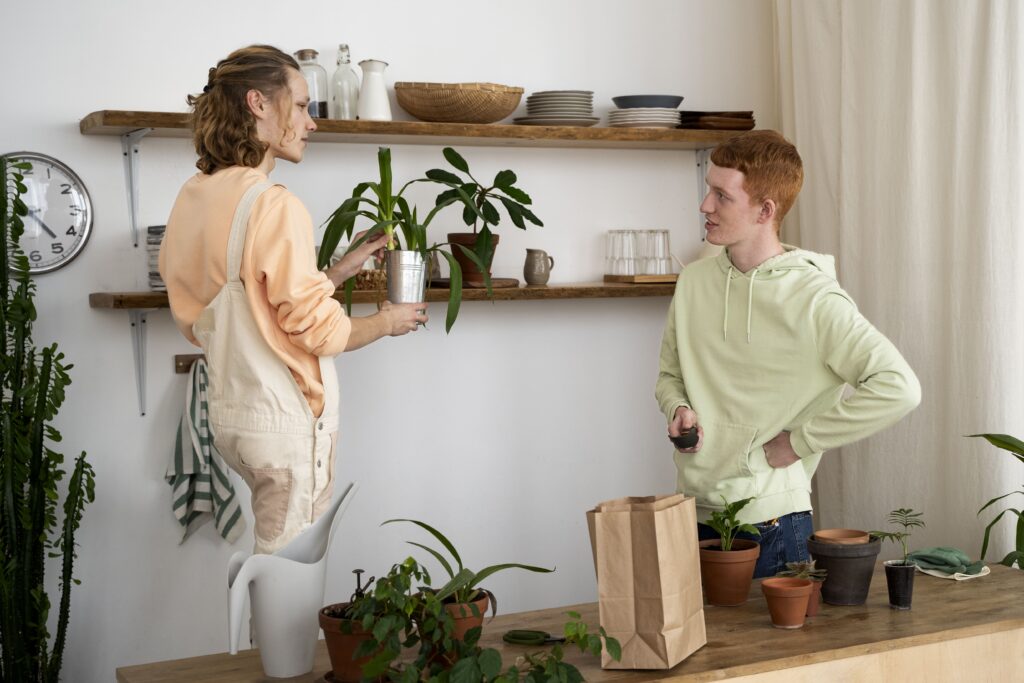
Plants can improve air quality, reduce stress, and create a sense of calm. Low-maintenance varieties make greenery accessible even for beginners.
Use Natural Cleaning Solutions
Simple ingredients like vinegar, baking soda, and lemon can replace many chemical cleaners. These alternatives are often safer for people, pets, and waterways.
Choose Non-Toxic Materials
When painting or renovating, selecting low-VOC paints and natural materials improves indoor air quality and long-term health.
Practice Mindful Consumption
Sustainability grows from awareness rather than perfection.
Buy Less, Choose Better
Before purchasing something new, pausing to ask “Do I truly need this?” can prevent unnecessary consumption. When items are needed, choosing durable, repairable options supports long-term use.
Repair Instead of Replace
Fixing clothing, electronics, or furniture extends product life and reduces waste. Repair culture also builds practical skills and appreciation for belongings.
Share Within Communities
Borrowing tools, exchanging items, or participating in local sharing groups reduces duplication and strengthens social connections. Sustainability becomes a shared effort rather than an individual burden.
Make Sustainability a Household Culture
True transformation happens when eco-friendly choices become part of daily life rather than occasional efforts.
Involve Everyone at Home
Children, elders, roommates, and family members can all participate whether by sorting recyclables, caring for plants, or saving water. Inclusive participation builds lasting habits.
Celebrate Progress, Not Perfection
No home becomes fully sustainable overnight. Recognizing small achievements keeps motivation strong and avoids discouragement.
Keep Learning and Adapting
New ideas, technologies, and community initiatives continue to emerge. Staying curious allows households to evolve toward more responsible living over time.
The Emotional Value of a Greener Home
An eco-friendly home often feels different in subtle yet meaningful ways. Reduced clutter creates mental clarity. Natural light and greenery encourage calm. Thoughtful routines foster gratitude for everyday resources like water, food, and energy. Sustainability, therefore, is not just environmental stewardship it is a pathway to more mindful living.
Many people discover that as their homes become greener, their broader lifestyles shift as well. Spending habits grow more intentional, waste decreases, and appreciation for simple comforts increases. This emotional transformation may be the most lasting benefit of all.
Looking Ahead with Hope
Global environmental challenges can sometimes feel overwhelming. Yet homes remain powerful starting points for change. When individuals and families adopt sustainable habits, those choices ripple outward into neighborhoods, communities, and future generations.
Transforming a home into an eco-friendly haven does not require perfection, wealth, or drastic sacrifice. It begins with awareness, continues through small daily actions, and grows into a lifestyle rooted in care for people, resources, and the planet we all share.
Every reusable bag, every repaired item, every conserved drop of water is a quiet step toward a more balanced future. And taken together, these steps create something meaningful: a home that not only shelters life, but also respects and protects it.