
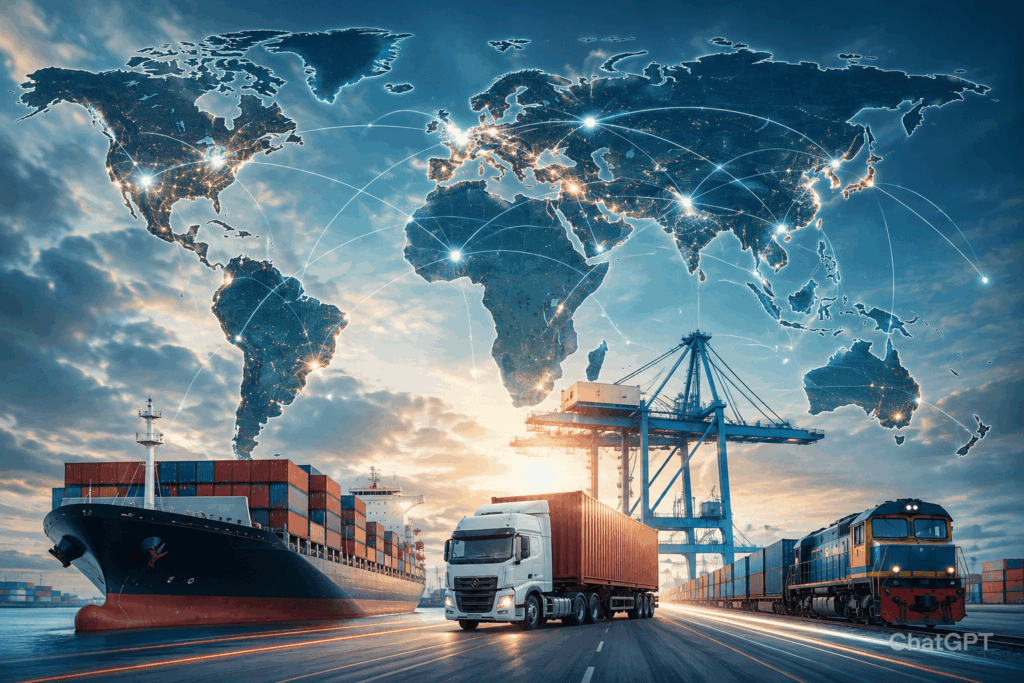
International trade has always been one of the strongest forces behind economic growth, innovation, and cultural exchange. Today, the evolution of international trade is transforming global markets faster than ever before. From digital commerce and artificial intelligence to shifting supply chains and sustainability goals, the future of global trade is reshaping how countries, businesses, and consumers interact across borders.
As economies become more interconnected, companies are finding new opportunities in emerging markets while governments adapt to changing trade policies and technological advancements. Understanding how international trade is evolving is essential for investors, entrepreneurs, and everyday consumers who want to stay ahead in a rapidly changing global economy.
The Historical Evolution of International Trade
The history of international trade dates back thousands of years. Ancient civilizations traded spices, silk, gold, and other valuable goods through routes such as the Silk Road. Over time, maritime exploration expanded trade networks between continents, leading to the rise of powerful global economies.
The Industrial Revolution marked a major turning point in global commerce. Mass production and technological innovation allowed countries to export goods on a larger scale. In the twentieth century, globalization accelerated international trade even further as transportation, communication, and financial systems improved dramatically.
Organizations like the World Trade Organization helped create frameworks for smoother trade relations between nations. Agreements promoting lower tariffs and open markets encouraged businesses to expand globally.
Learn more about global trade policies at the official World Trade Organization website: https://www.wto.org
How Technology Is Transforming International Trade
Technology is one of the biggest drivers behind the evolution of international trade. Digital transformation has changed how goods are produced, marketed, sold, and delivered around the world.
The Rise of E-Commerce in Global Markets
Online marketplaces have made international trade more accessible for businesses of all sizes. Small companies can now reach global customers through platforms like Amazon, Alibaba, and Shopify.
Consumers also benefit from greater product variety, competitive pricing, and faster delivery options. Cross-border e-commerce continues to grow as digital payment systems and international shipping networks improve.
Artificial Intelligence and Automation in Trade
Artificial intelligence is streamlining logistics, inventory management, and customer service. Automated warehouses, predictive analytics, and AI-powered supply chain systems help companies reduce costs and improve efficiency.
Businesses are increasingly using AI to forecast market demand, optimize shipping routes, and detect supply chain disruptions before they occur. This technological advancement is making global trade faster and more reliable.
Blockchain and Secure International Transactions
Blockchain technology is helping create more transparent and secure trade systems. Smart contracts and digital tracking systems reduce fraud and improve trust between international trading partners.
Companies involved in shipping and logistics are exploring blockchain solutions to track goods in real time and simplify customs documentation processes.
Explore blockchain innovation here: https://www.ibm.com/blockchain
The Shift Toward Regional Supply Chains
One of the most significant trends in the evolution of international trade is the restructuring of global supply chains. Recent global disruptions exposed vulnerabilities in heavily centralized manufacturing systems.
As a result, many businesses are diversifying production locations and investing in regional supply chains. This strategy helps reduce dependence on a single country or supplier while improving resilience during economic or political uncertainty.
Nearshoring and Reshoring Trends
Companies are increasingly moving manufacturing closer to their primary markets. Nearshoring allows businesses to shorten delivery times, reduce transportation costs, and improve supply chain stability.
Countries such as India, Vietnam, and Mexico are becoming major manufacturing and export hubs due to competitive labor costs and growing infrastructure investments.
The Role of Emerging Markets in Global Trade
Emerging economies are playing a larger role in shaping international trade. Expanding middle-class populations, improved digital access, and government reforms are attracting foreign investment into these markets.
China and India remain central players in global manufacturing and technology services, while countries across Africa and Southeast Asia are gaining importance in global supply networks.
Sustainability and the Future of International Trade
Sustainability is becoming a critical factor in global commerce. Governments, investors, and consumers are demanding environmentally responsible trade practices.
Green Supply Chains and Sustainable Trade
Businesses are working to reduce carbon emissions across supply chains by investing in cleaner transportation methods, renewable energy, and sustainable packaging solutions.
International trade policies are increasingly focusing on environmental standards and climate-related regulations. Companies that fail to adapt may face higher costs, reputational challenges, and reduced consumer trust.
Learn about sustainability goals here: https://sdgs.un.org/goals
Consumer Demand for Ethical Products
Modern consumers are paying closer attention to how products are sourced and manufactured. Ethical labor practices, sustainability certifications, and transparent supply chains are becoming more important purchasing factors.
Brands that prioritize social responsibility often build stronger customer loyalty and gain a competitive advantage in global markets.
Geopolitical Challenges Affecting Global Markets
The evolution of international trade is also influenced by political tensions, economic sanctions, and changing trade alliances. Governments are increasingly balancing economic cooperation with national security concerns.
Trade Wars and Tariff Policies
Trade disputes between major economies can significantly impact global markets. Tariffs, import restrictions, and export controls often increase costs for businesses and consumers alike.
For example, tensions between the United States and China have encouraged companies to reconsider manufacturing locations and diversify supplier networks.
Energy Markets and Global Trade
Energy prices remain a major factor influencing international trade. Rising oil and gas prices can increase transportation costs and disrupt global supply chains.
At the same time, the global transition toward renewable energy is creating new trade opportunities in sectors such as electric vehicles, battery production, and clean technology manufacturing.
Find global energy insights here: https://www.iea.org
Digital Trade and the Global Economy
Digital services are becoming an increasingly important part of international trade. Software, cloud computing, online education, and digital entertainment are crossing borders more easily than physical goods.
The Growth of Remote Work and Global Services
Remote work has enabled companies to hire talent from around the world. Businesses now collaborate internationally using cloud-based tools and virtual communication platforms.
Countries with strong digital infrastructure are benefiting from growing exports of technology services, customer support, software development, and online consulting.
Data Protection and Cybersecurity Challenges
As digital trade expands, concerns about cybersecurity and data privacy are becoming more significant. Governments are introducing stricter regulations to protect consumer information and digital infrastructure.
Companies involved in international digital trade must comply with multiple legal frameworks and invest heavily in cybersecurity systems.
How International Trade Will Shape Future Global Markets
The future of global markets will be heavily influenced by the ongoing evolution of international trade. Several key trends are expected to shape the next decade of economic development.
Increased Economic Interdependence
Countries will continue to rely on international partnerships for resources, technology, and economic growth. Even as some governments promote domestic manufacturing, complete economic isolation is unlikely in a highly connected world.
Faster Innovation Across Industries
Global trade encourages the exchange of ideas, technology, and expertise. International collaboration accelerates innovation in healthcare, renewable energy, transportation, and digital technology.
Greater Competition in Global Markets
Businesses must adapt quickly to remain competitive in an increasingly globalized environment. Companies that embrace technology, sustainability, and flexible supply chains are more likely to succeed.
Expansion of Emerging Economies
Emerging markets are expected to contribute a larger share of global economic growth in the coming years. Rising incomes, urbanization, and technological adoption will continue creating new business opportunities worldwide.
Opportunities for Businesses and Investors
https://www.qaskme.com/discover-the-top-global-market-opportunities-to-watch-in-2026/
The evolution of international trade creates both opportunities and challenges for businesses and investors.
Companies can expand into new markets, access international talent, and benefit from global innovation. Investors can diversify portfolios by exploring industries and economies positioned for long-term growth.
However, success requires careful planning, adaptability, and awareness of global economic trends. Businesses that remain flexible and responsive to changing market conditions are better equipped to navigate uncertainty.
Useful economic research can be found here:
https://www.imf.org
https://www.worldbank.org
Conclusion
The evolution of international trade is reshaping global markets in powerful and lasting ways. Technology, sustainability, regional supply chains, and emerging economies are transforming how businesses operate and how countries interact economically.
While geopolitical tensions and economic uncertainties continue to present challenges, international trade remains a major driver of innovation, opportunity, and global growth. Businesses and investors who understand these changing dynamics will be better prepared to thrive in the future global economy.
As digital transformation accelerates and global connections deepen, international trade will continue influencing industries, consumer behavior, and financial markets for years to come.