
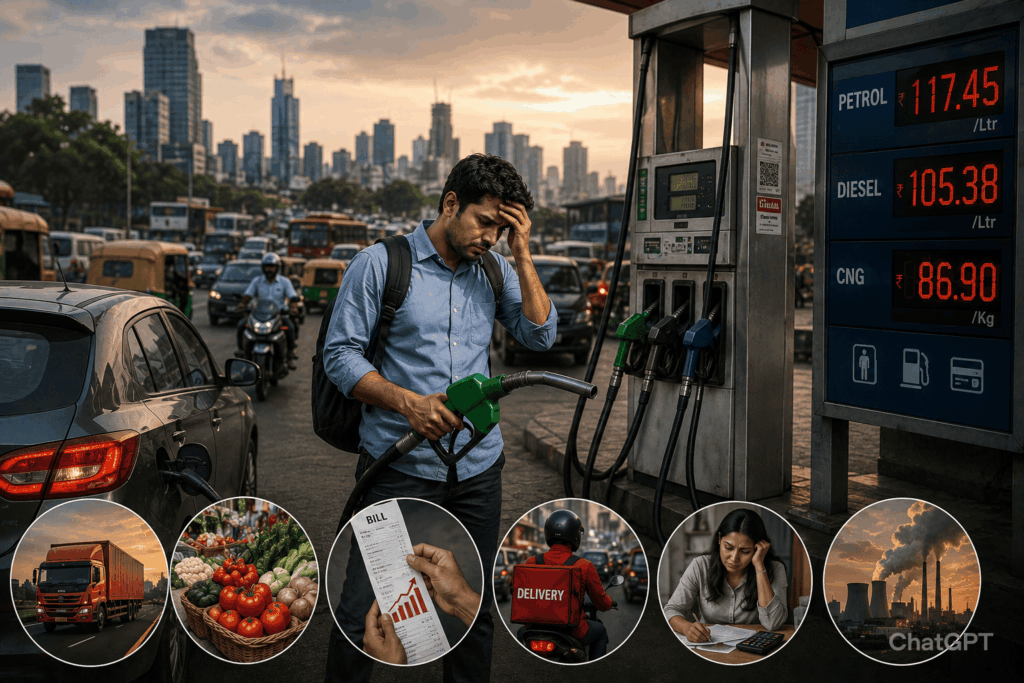
The impact of fuel price hike in 2026 is becoming one of the most urgent economic and social issues across the globe. From higher transportation fares to rising grocery bills, increasing fuel prices are affecting almost every aspect of everyday life. Whether people drive cars, use public transportation, run businesses, or simply shop for daily essentials, everyone is feeling the financial pressure caused by rising fuel costs.
Fuel plays a central role in modern economies. Petrol, diesel, and natural gas power transportation systems, manufacturing industries, farming equipment, delivery services, and electricity production. When fuel prices rise sharply, the effects quickly spread through the economy. In 2026, a combination of global political instability, supply chain disruptions, inflation, and changing energy policies has pushed fuel prices to record levels in many countries.
According to data and reports from International Energy Agency and World Economic Forum, energy markets remain highly unstable, creating economic uncertainty for governments, industries, and ordinary citizens alike.
Why Fuel Prices Are Rising Rapidly in 2026
Understanding the reasons behind the fuel price hike in 2026 helps explain why the problem has become so widespread. Several global factors are contributing to higher fuel costs.
Global Conflicts and Political Tensions
One of the major reasons for rising fuel prices is geopolitical conflict. Political instability in oil-producing regions often creates fears of supply shortages. When countries involved in oil production face war, sanctions, or diplomatic tensions, oil markets react immediately.
Shipping routes and trade channels have also faced disruptions in recent years. Delays in transporting crude oil and refined fuel products increase overall costs for energy companies and consumers.
Organizations such as OPEC continue to monitor oil production levels carefully to balance supply and demand.
Inflation and Currency Fluctuations
Inflation has also played a major role in increasing fuel prices. When currencies weaken against the US dollar, importing fuel becomes more expensive for many countries because oil is globally traded in dollars.
Higher operational expenses for energy companies, including transportation and labor costs, have further contributed to fuel price increases.
Transition Toward Renewable Energy
Governments around the world are encouraging cleaner energy solutions to combat climate change. Investments in renewable energy infrastructure are increasing, while some countries are reducing dependence on fossil fuels.
Although this shift is necessary for long-term environmental sustainability, the transition period can create temporary shortages and market volatility. Energy experts from United Nations Environment Programme believe the world is currently facing one of the most complex energy transitions in modern history.
How Fuel Price Hikes Affect Daily Life
The impact of rising fuel costs on daily life is widespread because fuel is connected to nearly every economic activity. Consumers are experiencing rising expenses in transportation, food, utilities, and services.
Transportation Costs Are Increasing Everywhere
Transportation is one of the first sectors affected by higher fuel prices. Cars, buses, trucks, trains, airplanes, and delivery services all rely heavily on fuel.
As fuel becomes more expensive, transportation companies increase fares to cover operating costs. This affects millions of people who rely on daily commuting for work, education, and essential travel.
Taxi fares, ride-sharing services, and delivery charges have risen significantly in many cities during 2026. Airlines have also increased ticket prices due to rising aviation fuel costs.
You can explore transportation trends and policies through International Transport Forum.
Public Transportation Under Pressure
Public transport systems are also struggling. Governments often subsidize buses and trains to keep fares affordable, but prolonged fuel price hikes place pressure on national budgets.
In some cities, commuters are facing reduced services, overcrowding, or fare increases. This situation particularly affects low-income families who depend heavily on affordable transportation.
Fuel Price Hikes Are Increasing Food Prices
The connection between fuel and food prices is stronger than many people realize. Modern agriculture depends on fuel for farming machinery, irrigation systems, fertilizers, processing plants, and transportation.
When diesel prices rise, farmers face higher production costs. Trucks transporting food across cities and countries also require more expensive fuel. As a result, grocery prices increase.
Grocery Bills Continue to Rise
Consumers are paying more for vegetables, fruits, grains, dairy products, and packaged foods. Restaurants and food delivery services are also increasing prices to manage rising operational expenses.
The situation is especially difficult for low-income households because a larger portion of their income is spent on food and transportation.
According to Food and Agriculture Organization of the United Nations, rising energy prices can directly threaten food affordability and food security worldwide.
The Impact of Fuel Price Hikes on Businesses
Businesses of all sizes are being affected by the fuel price increase in 2026. Small companies, delivery services, factories, and retailers are struggling to manage rising operational costs.
Small Businesses Are Facing Financial Pressure
Local businesses depend heavily on transportation and logistics. Delivery companies spend more on fuel, manufacturers pay higher shipping costs, and retailers face increased expenses when restocking products.
Many small businesses have been forced to:
- Raise product prices
- Reduce staff or operating hours
- Cut expansion plans
- Increase service charges
- Delay investments
Unfortunately, higher prices can reduce customer spending, making business recovery even more difficult.
Delivery Workers and Gig Economy Challenges
Workers in the gig economy are also struggling. Food delivery riders, taxi drivers, and courier workers spend a large portion of their earnings on fuel.
In some regions, drivers have protested against rising fuel costs, arguing that their incomes are no longer sustainable.
Manufacturing and Industrial Costs Are Rising
Factories and industrial operations rely on fuel for transportation, machinery, and electricity generation. Rising energy prices increase manufacturing costs, which eventually affect consumers.
Industries such as construction, chemicals, agriculture, aviation, and shipping are among the hardest hit sectors.
Global corporations are increasingly investing in energy-efficient technologies and renewable energy systems to reduce long-term dependence on fossil fuels.
Companies like Tesla, BYD, and Toyota are expanding electric vehicle technologies as consumers search for alternatives to fuel-powered transportation.
The impact of the fuel price hike on inflation
The relationship between fuel prices and inflation is extremely important. Fuel is involved in transportation, production, and distribution across nearly every industry.
When fuel prices rise:
- Transportation becomes more expensive
- Manufacturing costs increase
- Businesses raise prices
- Consumers spend more on essentials
- Inflation accelerates
This creates a cycle where the cost of living continues to rise.
Central Banks Are Trying to Control Inflation
Many governments and central banks are responding by increasing interest rates and adjusting economic policies. However, controlling inflation becomes difficult when energy prices remain unstable.
Economists from International Monetary Fund warn that prolonged energy inflation could slow economic growth and reduce consumer purchasing power globally.
Social and Psychological Effects of Rising Fuel Costs
The impact of the fuel price hike in 2026 goes beyond economics. Rising living costs can also create stress, anxiety, and uncertainty for millions of people.
Financial Stress on Families
Families facing higher fuel and food prices often struggle to manage monthly budgets. Many people are reducing non-essential spending, postponing travel plans, or cutting back on leisure activities.
In some households, parents are working additional hours or taking second jobs to manage rising expenses
.https://www.qaskme.com/iran-oil-crisis-2026-the-impact-on-global-politics-and-economy/
Urban and Rural Differences
The impact of fuel price hikes can differ between urban and rural communities.
- Urban residents may rely more on public transportation
- Rural communities often depend on personal vehicles for long-distance travel
- Farmers and agricultural workers face higher diesel expenses
- Remote areas may experience higher delivery costs
This makes fuel inflation particularly challenging for rural populations.
How People Are Adapting to Rising Fuel Prices
Despite these challenges, individuals and businesses are finding ways to adapt to the rising fuel prices in 2026.
Switching to Electric Vehicles
Interest in electric vehicles (EVs) is growing rapidly as consumers look for alternatives to expensive petrol and diesel.
Governments in several countries are offering incentives, tax benefits, and subsidies for EV adoption.
Increased Use of Public Transportation
Many people are:
- Using buses and trains more frequently
- Carpooling with coworkers
- Walking or cycling short distances
- Working remotely when possible
These changes are helping reduce fuel consumption and transportation expenses.
Renewable Energy Is Becoming More Important
The current fuel crisis is also accelerating investments in renewable energy.
Solar power, wind energy, and battery technologies are becoming more affordable and widely available. Governments and private companies are increasing investments in sustainable infrastructure.
Experts from International Renewable Energy Agency believe renewable energy will play a major role in reducing future dependence on volatile fossil fuel markets.
The Future of Sustainable Transportation
Electric buses, high-speed rail systems, and cleaner public transportation networks are being developed worldwide.
Although the transition may take years, the current fuel crisis is encouraging governments and industries to rethink long-term energy strategies.
Conclusion
The impact of fuel price hike in 2026 is reshaping economies, businesses, and everyday life around the world. Rising fuel costs are increasing transportation expenses, pushing food prices higher, creating inflation, and placing financial pressure on millions of families.
Small businesses, workers, and consumers are all facing difficult adjustments as energy costs continue to rise. At the same time, the crisis is accelerating interest in renewable energy, electric vehicles, and sustainable transportation systems.
While governments and industries continue searching for solutions, individuals are adapting by changing spending habits, reducing fuel consumption, and exploring cleaner energy alternatives. The decisions made during this period could shape the future of global energy, economic stability, and environmental sustainability for years to come.