

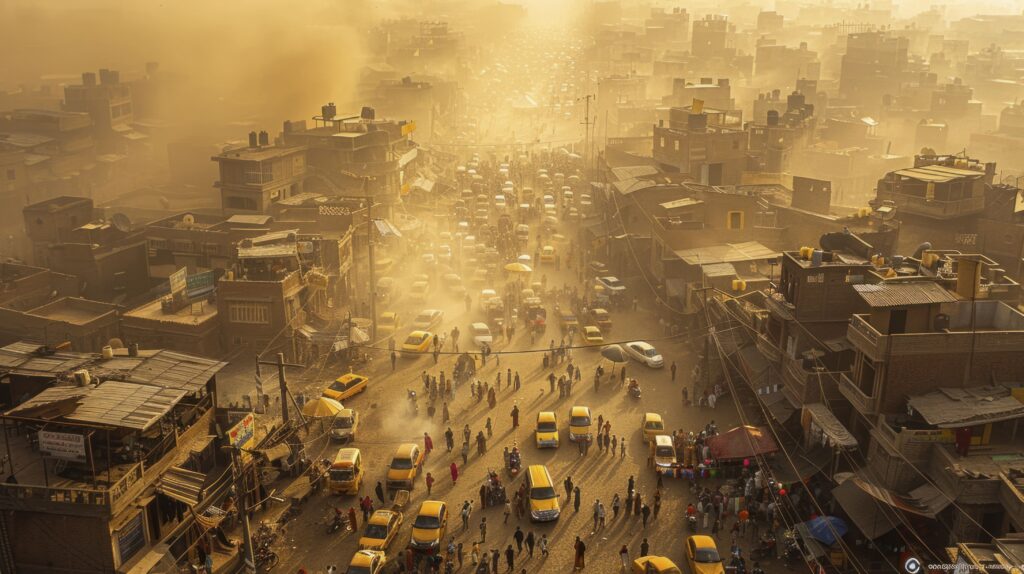
Global conflicts do not stay limited to battlefields. They reshape trade routes, influence energy prices, affect diplomacy, and redefine national security priorities. The impact of global wars on India’s economy and security is especially significant because India is deeply connected to global markets while also facing complex regional security challenges. From rising oil prices to increased defense spending and geopolitical shifts, global wars influence India in multiple ways. This article explores how international conflicts affect India’s economic stability, military preparedness, strategic diplomacy, and long-term development prospects.
Understanding the Impact of Global Wars on India’s Economy and Security
India is one of the fastest-growing major economies in the world, but its growth depends heavily on stable global trade networks and energy supplies. Wars in regions like West Asia, Eastern Europe, or the Indo-Pacific can disrupt shipping routes, raise inflation, and increase defense pressures.
For example, recent conflict-related disruptions in oil shipping routes have already created inflation risks and slowed private-sector growth in India due to rising fuel and input costs.
This shows that the economic and security consequences of global wars are not theoretical they directly affect everyday life in India.
How Global Wars Affect India’s Energy Security
India’s Dependence on Imported Energy
One of the most immediate ways global wars affect India is through energy supply disruptions. India imports nearly 90% of its crude oil requirements, making it highly vulnerable to conflicts in oil-producing regions.
When wars occur in West Asia:
- crude oil prices increase
- shipping routes become unstable
- fuel costs rise domestically
- inflation increases across sectors
Even a modest increase in global oil prices can significantly raise India’s import bill and affect economic growth.
Government Strategies to Strengthen Energy Stability
India’s oil import shift signals structural energy security pivot
To reduce vulnerability:
- India diversified oil suppliers to more than 40 countries
- increased domestic LPG production
- strengthened strategic petroleum reserves
These steps help reduce the risk of sudden supply shocks during global conflicts.
The Impact of Global Wars on India’s Trade and Supply Chains
Disruptions to Global Shipping Routes
Wars often affect major maritime routes such as the Strait of Hormuz or Red Sea shipping corridors. These routes are critical for:
- energy imports
- electronics components
- fertilizers
- industrial raw materials
When these routes become unstable:
- freight costs rise
- delivery delays increase
- manufacturing slows
India’s manufacturing sector recently experienced slower growth partly because war-related supply disruptions raised input costs.
Effects on Export-Driven Industries
Global instability also influences export demand. Key sectors affected include:
- textiles
- pharmaceuticals
- IT services
- engineering goods
While some export demand may increase during geopolitical shifts, uncertainty generally slows long-term investment planning.
The Impact of Global Wars on India’s Inflation and Currency Stability
Another major consequence of global conflicts is inflation pressure.
War increases:
- fuel prices
- food prices
- fertilizer costs
- transportation expenses
As a result:
- the rupee may weaken
- current account deficit may widen
- consumer purchasing power declines
Economic experts warn that prolonged global conflicts could widen India’s current account deficit and slow growth if energy prices remain high.
The Impact of Global Wars on India’s Defence Spending and Military Preparedness
Rising Defence Budgets in Response to Global Conflicts
Global instability encourages nations to strengthen their defense capabilities. India is already among the top five military spenders globally, with defense expenditure reaching about $86.1 billion in 2024.
This increase reflects:
- regional security tensions
- modernization needs
- border threats from nuclear-armed neighbors
- emerging technological warfare trends
India currently spends about 1.9% of GDP on defense, though experts often recommend higher allocations for long-term preparedness.
Military Modernization During Global Strategic Competition
Global wars accelerate innovation in:
- drones
- cyber warfare
- missile defense systems
- artificial intelligence surveillance
India studies these developments carefully to strengthen its own defense ecosystem.
Border Security Challenges During Global Conflicts
Managing a Two-Front Security Environment
One of the most serious aspects of the impact of global wars on India’s economy and security is the pressure created by regional threats.
India faces security challenges along:
- the Line of Actual Control (LAC)
- the Line of Control (LoC)
More than 100,000 troops remain deployed along the China border, reflecting continued strategic tension.
Global conflicts can indirectly intensify these tensions by:
- shifting alliance structures
- increasing arms competition
- encouraging regional instability
The Impact of Global Wars on India’s Foreign Policy Strategy
Strategic Neutrality and Multi-Alignment
India follows a balanced diplomatic approach during global conflicts.
Rather than choosing sides, India:
- promotes dialogue
- maintains trade relations across blocs
- protects national interests
- supports peaceful conflict resolution
This strategy allows India to maintain energy imports, defense partnerships, and trade stability simultaneously.
Strengthening Partnerships Across Regions
Global wars encourage India to expand cooperation with:
- Indo-Pacific partners
- Middle Eastern countries
- European economies
- African markets
Such partnerships reduce dependency on any single region.
The Impact of Global Wars on India’s Domestic Economic Growth
Infrastructure Investment Pressures
When defense spending increases, governments sometimes adjust development spending priorities.
Possible impacts include:
- slower infrastructure expansion
- reduced welfare allocations
- delayed modernization programs
However, moderate defense investment can also stimulate innovation and employment through domestic manufacturing.
Defence Manufacturing and “Make in India”
Global wars encourage countries to reduce dependence on imported weapons.
India is strengthening:
- indigenous defense manufacturing
- aerospace development
- missile systems
- naval modernization
This improves both economic resilience and strategic independence.
The Impact of Global Wars on Indian Workers Abroad and Remittances
Millions of Indian citizens work in Gulf countries and other conflict-sensitive regions.
During wars:
- remittance flows may decline
- evacuation risks increase
- employment uncertainty rises
Since remittances support millions of families and contribute significantly to India’s foreign exchange reserves, stability in these regions is essential.
https://www.qaskme.com/ai-tools-vs-human-skills-2026/
The Impact of Global Wars on Cybersecurity and Digital Infrastructure
Modern wars are no longer limited to physical battlefields.
Cyber warfare can target:
- banking systems
- communication networks
- satellite infrastructure
- power grids
India is investing heavily in cybersecurity frameworks to protect national infrastructure from emerging threats.
Lessons India Can Learn from Ongoing Global Conflicts
Global conflicts provide strategic insights into future warfare trends.
Key lessons include:
- strengthening domestic manufacturing
- improving energy independence
- enhancing cyber defense readiness
- diversifying trade partners
- investing in advanced technologies
These steps increase resilience against future global disruptions.
Policy Measures to Reduce the Impact of Global Wars on India’s Economy and Security
India is already taking several steps to minimize vulnerability:
Energy diversification
Reducing dependence on single-region oil suppliers improves resilience.
Strategic reserves expansion
Petroleum reserves help manage temporary disruptions.
Defense modernization
Investments improve preparedness for future threats.
Diplomatic engagement
Balanced foreign policy protects trade and security interests.
Domestic manufacturing growth
Self-reliance strengthens long-term stability.
The Future Outlook: Managing the Impact of Global Wars on India’s Economy and Security
Despite global instability, India’s economic fundamentals remain strong, supported by domestic demand and diversified trade partnerships. However, prolonged conflicts, especially in energy-sensitive regions, can still affect growth projections and inflation trends.
Looking ahead, India’s ability to balance diplomacy, defense preparedness, and economic reforms will determine how successfully it navigates future geopolitical challenges.
Conclusion: Why Understanding the Impact of Global Wars on India’s Economy and Security Matters
In today’s interconnected world, global wars influence every nation, regardless of its geographic distance from conflict zones. The impact of global wars on India’s economy and security is visible through energy price volatility, trade disruptions, defense modernization needs, and evolving foreign policy strategies.
By strengthening domestic industries, diversifying partnerships, investing in technology, and maintaining strategic neutrality, India can reduce risks and emerge stronger despite global uncertainty.
Understanding these dynamics helps policymakers, students, researchers, and citizens better prepare for the economic and security challenges of an increasingly unpredictable world.