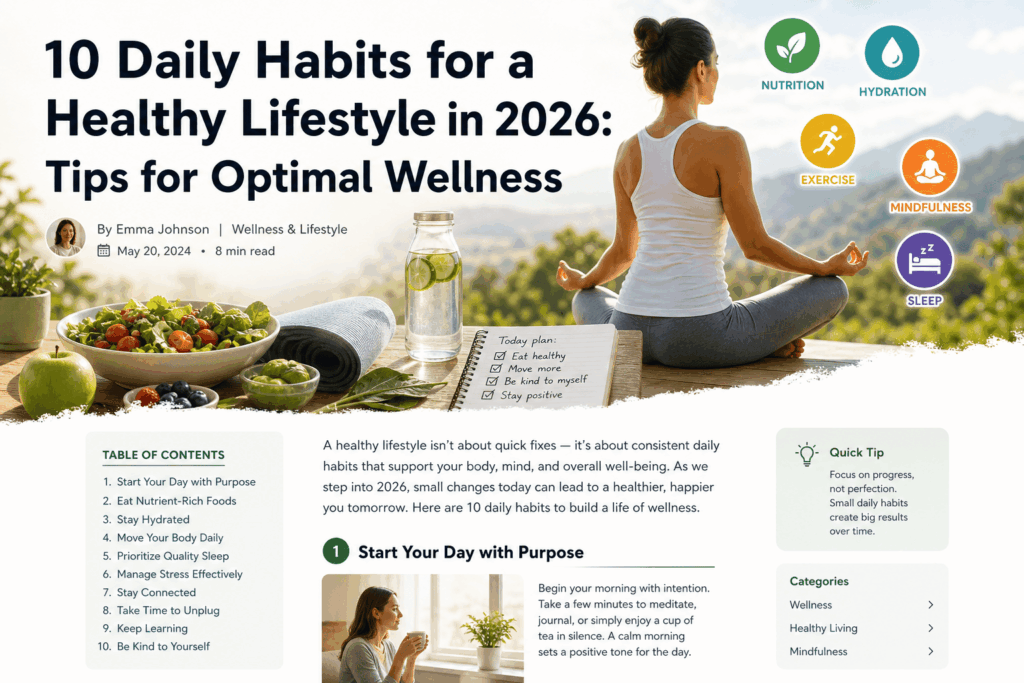
In today’s fast-changing world, building a healthy lifestyle in 2026 is more important than ever. With rising stress levels, digital distractions, and evolving work patterns, many people are looking for simple yet effective ways to improve their well-being. The good news is that achieving optimal wellness doesn’t require expensive programs or drastic changes. Instead, it’s about developing daily habits for a healthy lifestyle that support your physical, mental, and emotional health over time.
This comprehensive guide explores 10 daily habits for a healthy lifestyle in 2026, offering practical, inclusive, and easy-to-follow strategies that can help anyone, regardless of age, background, or routine move toward better health.
1. Start Your Day with a Healthy Morning Routine for Optimal Wellness
A well-structured morning routine can shape the rest of your day. 10 daily habits for a healthy lifestyle in 2026 where many people begin their day by checking notifications, creating a calm and intentional start is a powerful habit for a healthy lifestyle.
Begin by hydrating your body. Drinking a glass of warm water in the morning helps activate your metabolism and supports digestion. Following this, light stretching or gentle yoga can improve blood circulation and reduce stiffness after sleep. Even 5–10 minutes of movement can make a noticeable difference.
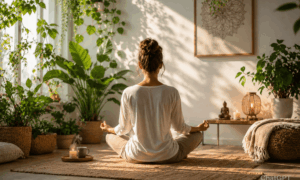
Incorporating mindfulness practices such as deep breathing, meditation, or gratitude journaling can set a positive tone. Avoiding immediate phone use helps reduce stress and prevents information overload early in the day.
👉 Learn more about effective morning routines: https://www.healthline.com/health/morning-routine
2. Follow a Balanced Diet for a Healthy Lifestyle in 2026
Nutrition remains a cornerstone of optimal wellness. A balanced diet fuels your body, strengthens your immune system, and supports long-term health.
In 2026, there is a growing awareness around mindful eating. Focus on consuming whole foods such as fresh fruits, vegetables, legumes, nuts, seeds, and whole grains. Include lean proteins like beans, lentils, eggs, or plant-based alternatives. Healthy fats from sources like nuts and olive oil are also essential.
Portion control and regular meal timing can help maintain energy levels throughout the day. Avoid skipping meals, as it can lead to overeating later. Limiting processed foods, sugary drinks, and excessive salt intake is equally important.
A helpful approach is to follow the “plate method” half your plate with vegetables, one-quarter with protein, and one-quarter with whole grains.
👉 Explore healthy diet guidelines: https://www.who.int/news-room/fact-sheets/detail/healthy-diet
3. Stay Physically Active with Daily Exercise Habits
Physical activity is essential for maintaining a healthy lifestyle in 2026. Regular exercise not only strengthens your body but also improves mental health and reduces the risk of chronic diseases.
You don’t need a gym membership to stay active. Walking, jogging, cycling, dancing, or home workouts are all effective. Aim for at least 30 minutes of moderate activity daily. If you have a busy schedule, break it into smaller sessions throughout the day.
Incorporating movement into your routine like taking stairs instead of elevators or stretching during work breaks can also make a big difference.
Exercise releases endorphins, often called “feel-good hormones,” which help reduce stress and boost mood.
👉 Learn about physical activity benefits: https://www.cdc.gov/physicalactivity/basics/index.htm
4. Practice Daily Mindfulness for Mental Health and Wellness
Mental well-being is a crucial part of optimal wellness. In a world full of distractions, practicing mindfulness helps you stay grounded and focused.
Mindfulness involves being present in the moment without judgment. You can practice it through meditation, breathing exercises, or simply paying attention to your surroundings.
Journaling is another powerful tool. Writing down your thoughts and emotions can help you process experiences and reduce stress. Even spending a few minutes reflecting on your day can improve emotional clarity.
Reducing exposure to negative content and creating a positive environment can also support mental health.
👉 Discover mindfulness techniques: https://www.mindful.org/meditation/mindfulness-getting-started/
5. Prioritize Quality Sleep for a Healthy Lifestyle
Sleep is often underestimated, yet it is vital for a healthy lifestyle in 2026. Good sleep supports brain function, emotional stability, and physical health.
Adults should aim for 7–9 hours of sleep each night. Establishing a consistent sleep schedule going to bed and waking up at the same time daily can regulate your body’s internal clock.
Creating a relaxing bedtime routine can improve sleep quality. This may include reading, listening to calming music, or practicing relaxation techniques. Avoid screens at least an hour before bedtime, as blue light can disrupt sleep patterns.
A comfortable sleep environment cool, dark, and quiet also plays an important role.
👉 Learn more about sleep science: https://www.sleepfoundation.org/how-sleep-works/why-do-we-need-sleep
6. Stay Hydrated for Daily Health and Optimal Wellness
Hydration is a simple yet powerful habit for maintaining a healthy lifestyle. Water is essential for digestion, temperature regulation, and nutrient transport.
Aim to drink at least 7–8 glasses of water daily, though individual needs may vary. Carrying a reusable water bottle can help you stay consistent.
Including water-rich foods such as cucumbers, oranges, watermelon, and leafy greens can also contribute to hydration. Reducing sugary beverages and excessive caffeine intake is beneficial for overall health.
Proper hydration can improve skin health, boost energy levels, and enhance concentration.
7. Limit Screen Time and Practice Digital Detox for a Healthy Lifestyle in 2026
Technology is an integral part of life in 2026, but excessive screen time can negatively impact your health. Managing digital consumption is essential for a healthy lifestyle.
Prolonged screen use can lead to eye strain, poor posture, and sleep disturbances. Setting boundaries such as screen-free meals or device-free time before bed can help.
Taking regular breaks using the 20-20-20 rule (every 20 minutes, look at something 20 feet away for 20 seconds) can reduce eye strain.
Engaging in offline activities like reading, gardening, or spending time outdoors can improve mental well-being.
👉 Tips for reducing screen time: https://www.psychologytoday.com/us/blog/life-smarts/202001/5-ways-do-digital-detox
8. Build Positive Relationships for Emotional Wellness
Strong social connections are key to optimal wellness. Humans are naturally social beings, and meaningful relationships contribute to happiness and mental health.
Spending time with family, friends, or community members can provide emotional support and reduce feelings of loneliness. Communication is essential express your thoughts openly and listen actively to others.
In 2026, both online and offline connections matter. However, prioritizing real-life interactions can create deeper bonds.
Being part of a supportive network can help you navigate challenges and celebrate achievements.
9. Keep Learning and Growing for a Healthy Mind
A curious and active mind supports a healthy lifestyle in 2026. Continuous learning keeps your brain engaged and adaptable.
Reading books, listening to podcasts, taking online courses, or learning new skills can stimulate cognitive function. It also boosts confidence and opens new opportunities.
Learning doesn’t have to be formal it can be as simple as exploring a hobby, trying a new recipe, or understanding a new topic.
Lifelong learning helps maintain memory, creativity, and problem-solving skills.
10. Practice Gratitude and Positive Thinking Daily
A positive mindset plays a significant role in achieving optimal wellness. Practicing gratitude helps shift your focus from what you lack to what you have.
Take a few minutes each day to reflect on things you are grateful for. This can be done through journaling or simply thinking about positive moments.
Positive thinking doesn’t mean ignoring challenges it means approaching them with a constructive attitude. Replacing negative self-talk with encouraging thoughts can improve resilience.
Over time, gratitude and positivity can lead to greater happiness and emotional stability.
👉 Learn about the science of gratitude: https://greatergood.berkeley.edu/article/item/why_gratitude_is_good
Conclusion: Build a Healthy Lifestyle in 2026 with Consistent Daily Habits
Achieving a healthy lifestyle in 2026 is not about perfection it’s about consistency and balance. By incorporating these 10 daily habits for optimal wellness, you can gradually improve your overall quality of life.
Start small. Choose one or two habits and build from there. Over time, these small changes can create a lasting impact on your health and happiness.
Remember, wellness is personal and inclusive. What works for one person may not work for another and that’s okay. The key is to listen to your body, stay committed, and make choices that support your well-being.
A healthier, happier life begins with the habits you build today.