
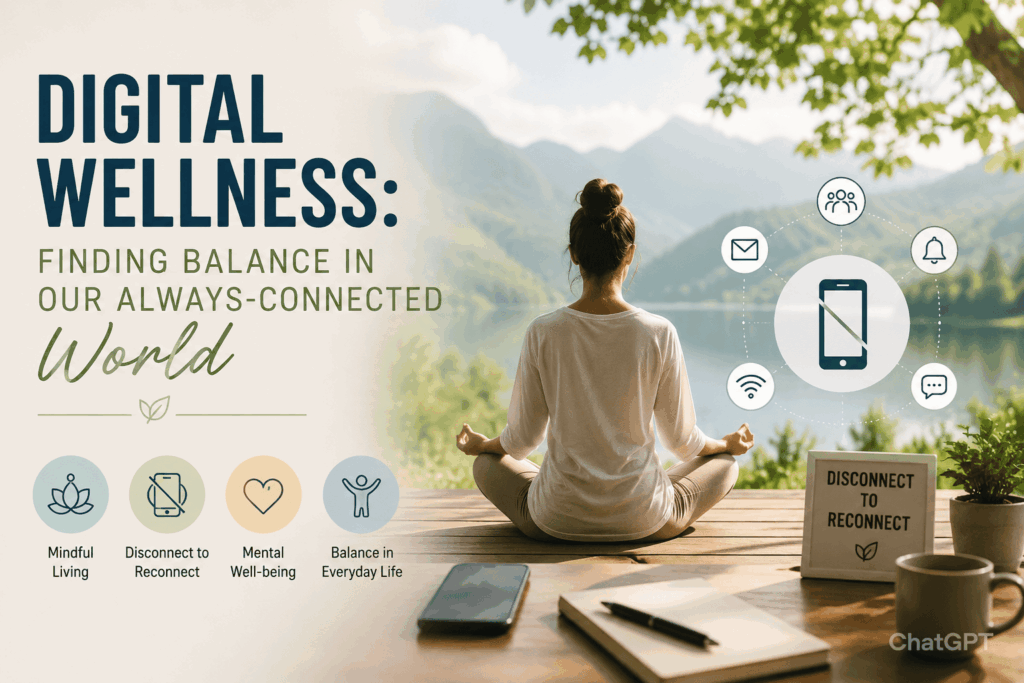
Digital wellness has become one of the most important topics of the modern era. In a world where smartphones, social media platforms, video streaming services, and digital workplaces are constantly competing for our attention, maintaining a healthy relationship with technology is essential. the practice of using technology in a way that supports mental, emotional, and physical well-being rather than diminishing it.
From the moment we wake up until we go to sleep, digital devices often shape our daily routines. While technology has made communication easier, expanded educational opportunities, and increased workplace flexibility, excessive screen time can contribute to stress, sleep disruption, decreased productivity, and social disconnection. Finding balance in our always-connected world is no longer a luxury it is a necessity.
This article explores the meaning of digital wellness, its benefits, challenges, and practical strategies for creating a healthier lifestyle.
Understanding Digital Wellness in a Connected Society
Digital wellness refers to the conscious and intentional use of technology to enhance overall well-being. It involves creating habits that allow people to enjoy the benefits of technology while minimizing potential negative effects.
Technology has transformed nearly every aspect of life. We rely on digital tools for work, education, entertainment, shopping, healthcare, and social interaction. While these innovations have brought remarkable convenience, they have also created new challenges.
According to resources from the World Health Organization (WHO), maintaining mental well-being requires healthy lifestyle habits, including balanced technology use.
Learn more:
Digital wellness encourages individuals to evaluate how technology impacts their lives and make adjustments where necessary.
The Benefits of Digital Wellness Practices
Improved Mental Health
One of the primary benefits of digital wellness is improved mental health. Constant exposure to notifications, emails, and social media updates can create feelings of anxiety and overwhelm.
By setting boundaries around device usage, individuals often experience:
- Reduced stress levels
- Better emotional regulation
- Increased focus
- Greater sense of control
- Improved self-esteem
Taking intentional breaks from screens can help create space for reflection, creativity, and relaxation.
Better Sleep
Research consistently shows that excessive screen exposure before bedtime can interfere with sleep quality. Blue light emitted from devices may suppress melatonin production, making it more difficult to fall asleep.
Digital wellness strategies for better sleep include:
- Avoiding screens one hour before bed
- Using night mode settings
- Creating device-free sleeping environments
- Establishing consistent bedtime routines
Better sleep contributes to improved mood, productivity, and overall health.
Enhanced Productivity Through Healthy Technology Use
Many people believe that being constantly connected increases productivity. However, endless notifications and multitasking often reduce efficiency.
Digital wellness promotes focused work by encouraging:
- Time-blocking techniques
- Notification management
- Dedicated focus periods
- Regular digital breaks
These practices help individuals complete tasks more effectively and with less stress.
Common Challenges to Digital Wellness
Social Media
Social media platforms provide opportunities for connection and self-expression. However, excessive use can sometimes contribute to comparison, information overload, and reduced self-confidence.
Signs that social media may be negatively affecting digital wellness include:
- Feeling anxious when not checking updates
- Constant comparison with others
- Difficulty focusing on offline activities
- Reduced satisfaction with daily life
Mindful social media use can help restore balance while preserving the benefits of online communities.
Information Overload in the Digital Age
Every day, people encounter thousands of digital messages, advertisements, news stories, and notifications. This constant stream of information can be overwhelming.
Information overload may lead to:
- Decision fatigue
- Increased stress
- Reduced concentration
- Mental exhaustion
Developing intentional consumption habits can significantly improve digital wellness and mental clarity.
Work-Life Balance
Remote and hybrid work models have blurred the boundaries between professional and personal life. Many employees feel pressure to remain available beyond traditional working hours.
To support digital wellness, organizations and individuals can establish:
- Clear communication expectations
- Defined working hours
- Device-free personal time
- Regular breaks during the workday
Healthy boundaries benefit both productivity and well-being.
Practical Digital Wellness Strategies for Everyday Life
Create Technology-Free Zones
One effective practice is designating certain areas as technology-free spaces.
https://www.qaskme.com/the-global-shift-prioritizing-mental-wellness-in-todays-world/
Examples include:
- Dining rooms
- Bedrooms
- Family gathering areas
- Outdoor relaxation spaces
These zones encourage meaningful interactions and reduce unnecessary screen exposure.
Schedule Regular Digital Detox Periods
A digital detox does not require abandoning technology completely. Instead, it involves taking intentional breaks from devices.
Popular approaches include:
- Screen-free mornings
- Weekend digital breaks
- Social media-free days
- Evening device curfews
Even short periods away from screens can improve mental well-being.
Practice Mindful Technology Use
Mindfulness encourages people to engage with technology intentionally rather than automatically.
Ask yourself:
- Why am I using this device right now?
- Is this activity adding value to my life?
- Could this task be completed later?
- Am I using technology out of habit or purpose?
These questions help build healthier habits.
Use Digital Wellness Tools
Ironically, technology itself can support digital wellness.
Helpful tools include:
- Screen-time trackers
- Focus applications
- Notification managers
- Meditation apps
- Productivity planners
Explore resources such as:
These tools can provide insights into technology usage patterns and encourage healthier behaviors.
Digital Wellness for Families and Children
Parents and caregivers play an important role in promoting digital wellness among children.
Healthy family technology habits may include:
- Establishing screen-time guidelines
- Encouraging outdoor activities
- Modeling balanced technology use
- Discussing online safety
- Creating device-free family time
Organizations such as Common Sense Media offer valuable resources for families navigating digital environments.
Children benefit most when technology complements learning, creativity, and social development rather than replacing real-world experiences.
The Future of Digital Wellness
As technology continues to evolve, digital wellness will become increasingly important. Artificial intelligence, virtual reality, wearable devices, and immersive digital experiences are likely to further transform daily life.
Future digital wellness trends may include:
- Personalized wellness recommendations
- AI-powered screen-time management
- Advanced digital health monitoring
- Workplace wellness technologies
- Greater focus on ethical technology design
Technology itself is not the problem. The challenge lies in using it intentionally and responsibly.
Governments, educational institutions, technology companies, and individuals all have a role to play in creating healthier digital environments.
Conclusion: Building a Healthier Relationship with Technology
Digital wellness is about finding balance in our always-connected world. Technology offers incredible opportunities for learning, communication, productivity, and innovation. However, without mindful habits, constant connectivity can negatively affect mental health, sleep quality, productivity, and relationships.
By setting healthy boundaries, practicing mindful technology use, creating device-free spaces, and prioritizing meaningful offline experiences, individuals can develop a healthier relationship with digital tools.
The goal of digital wellness is not to eliminate technology but to ensure that technology serves our well-being rather than controlling our attention. As our digital lives continue to expand, embracing digital wellness will help create a more balanced, productive, and fulfilling future for everyone.