
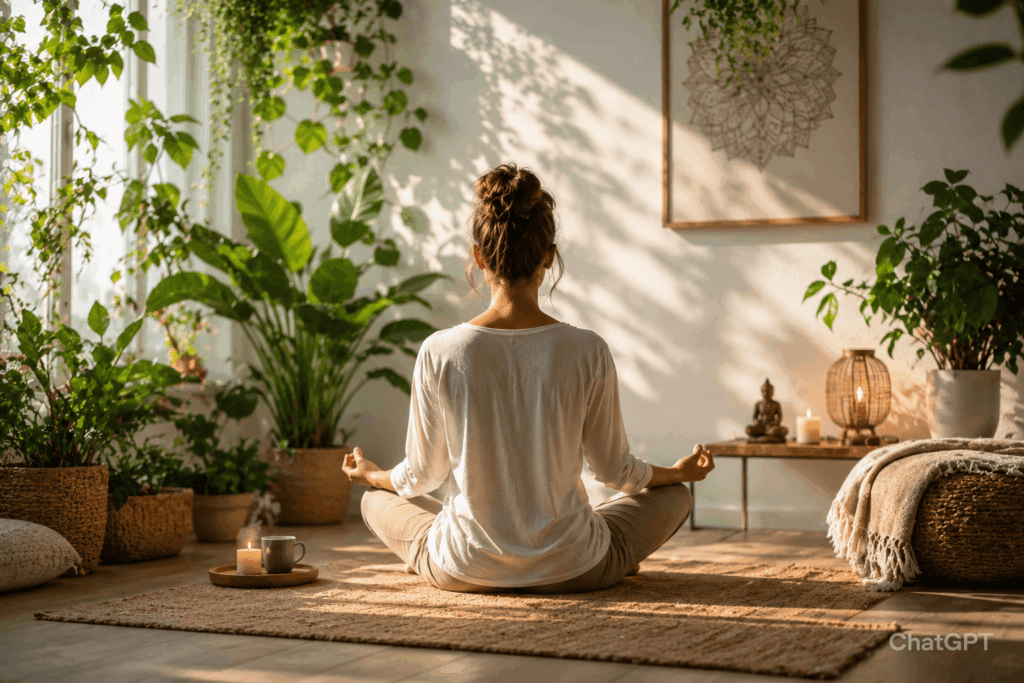
Mindfulness practices have become increasingly important in a world filled with constant notifications, busy schedules, and endless distractions. Many people are searching for ways to reduce stress, improve focus, and reconnect with the present moment. Mindfulness offers a simple yet powerful solution that can help individuals cultivate greater awareness, emotional balance, and inner peace.
At its core, mindfulness means paying attention to the present moment without judgment. Rather than dwelling on the past or worrying about the future, mindfulness encourages us to fully engage with what is happening right now. Through regular mindfulness practices, people can improve their mental well-being, strengthen relationships, and develop a deeper appreciation for everyday life.
Research from organizations such as the Mindful Awareness Research Center (https://www.uclahealth.org/programs/marc) and the American Psychological Association (https://www.apa.org) highlights the positive effects of mindfulness on stress reduction, emotional regulation, and overall health.
In this guide, we’ll explore practical mindfulness practices that can help you live a more peaceful and present life.
Understanding Mindfulness Practices and Their Benefits
Before diving into specific techniques, it’s helpful to understand why mindfulness practices are so effective.
Mindfulness trains the brain to focus on the present moment rather than becoming overwhelmed by thoughts, worries, or distractions. Over time, this intentional awareness can improve emotional resilience and mental clarity.
Some benefits of mindfulness include:
- Reduced stress and anxiety
- Improved concentration and focus
- Better emotional regulation
- Enhanced self-awareness
- Increased compassion and empathy
- Better sleep quality
- Greater life satisfaction
These benefits can positively impact people from all backgrounds, professions, and stages of life.
Mindfulness Practices for Starting Your Day with Intention
The way we begin our mornings often influences the rest of the day. Incorporating mindfulness practices into your morning routine can create a calmer and more focused mindset.
Mindful Breathing
One of the simplest mindfulness practices is mindful breathing.
Take a few minutes each morning to focus solely on your breath:
- Sit comfortably.
- Close your eyes if desired.
- Inhale slowly through your nose.
- Exhale gently through your mouth.
- Notice the sensation of each breath.
Whenever your mind wanders, gently bring your attention back to your breathing.
Setting a Daily Intention
Instead of immediately checking emails or social media, spend a moment reflecting on how you want to approach the day.
Ask yourself:
- What kind of energy do I want to bring today?
- How can I be more present?
- What values do I want to practice?
This mindful habit creates greater purpose and awareness.
Mindfulness Practices for Managing Stress
Stress is a natural part of life, but mindfulness practices can help us respond more effectively.
The Body Scan Technique
A body scan involves paying attention to physical sensations throughout the body.
Begin at your feet and gradually move upward:
- Notice tension
- Observe sensations
- Relax areas of tightness
This practice helps reconnect the mind and body while reducing physical stress.
The STOP Mindfulness Method
The STOP method is especially useful during stressful situations:
S – Stop
Pause what you’re doing.
T – Take a Breath
Focus on one or two slow breaths.
O – Observe
Notice your thoughts, emotions, and surroundings.
P – Proceed
Continue with greater awareness.
This simple technique can be used anywhere and takes less than a minute.
Daily Mindfulness Practices for Greater Presence
Mindfulness does not require hours of meditation. Many mindfulness practices can be integrated into everyday activities.
Mindful Eating
Many people eat while scrolling through phones or watching television.
Mindful eating encourages you to:
- Notice flavors
- Observe textures
- Appreciate aromas
- Eat slowly
This practice often leads to greater enjoyment and healthier eating habits.
Mindful Walking
Walking can become a form of meditation.
While walking:
- Notice each step
- Feel your feet touching the ground
- Observe sounds around you
- Pay attention to your surroundings
Even a short walk can become a valuable mindfulness exercise.
Mindful Listening
When speaking with others, try listening fully without planning your response.
https://www.qaskme.com/the-global-shift-prioritizing-mental-wellness-in-todays-world/
Mindful listening can:
- Improve communication
- Strengthen relationships
- Increase empathy
- Reduce misunderstandings
Giving someone your full attention is one of the most meaningful forms of presence.
Meditation-Based Mindfulness Practices
Meditation remains one of the most widely recognized mindfulness practices.
Guided Meditation
Guided meditation can be especially helpful for beginners.
Resources such as:
offer structured mindfulness sessions for various goals, including relaxation, focus, and stress management.
Loving-Kindness Meditation
This practice focuses on cultivating compassion.
Participants silently repeat phrases such as:
- May I be happy.
- May I be healthy.
- May I be peaceful.
The same wishes are then extended to others.
Research suggests that loving-kindness meditation can increase positive emotions and social connection.
Mindfulness of Thoughts Meditation
Rather than suppressing thoughts, this practice teaches observation.
Imagine thoughts as clouds drifting across the sky.
Notice them.
Acknowledge them.
Allow them to pass without attachment.
This approach can reduce overthinking and emotional reactivity.
Mindfulness Practices for Digital Wellness
Technology offers many benefits, but excessive screen time can contribute to distraction and stress.
Creating Mindful Technology Habits
Consider:
- Turning off unnecessary notifications
- Scheduling device-free periods
- Limiting social media scrolling
- Practicing single-tasking
Small adjustments can significantly improve focus and well-being.
Mindful Social Media Use
Before opening social media, ask:
- Why am I using this right now?
- How do I feel before and after scrolling?
- Is this activity adding value to my day?
These questions encourage intentional digital behavior.
For additional guidance on digital wellness, visit https://www.digitalwellnesslab.org.
Mindfulness Practices for Better Emotional Health
Emotions are part of the human experience. Mindfulness practices help us navigate them more skillfully.
Emotional Awareness Journaling
Writing down thoughts and feelings can increase self-awareness.
Try prompts such as:
- What am I feeling right now?
- What triggered this emotion?
- What do I need in this moment?
Journaling helps create space between emotions and reactions.
Practicing Self-Compassion
Mindfulness is not about perfection.
Everyone experiences setbacks, stress, and difficult emotions.
Treating yourself with kindness can support emotional resilience and personal growth.
When challenges arise, consider speaking to yourself the way you would support a close friend.
Building a Sustainable Mindfulness Practice
Consistency matters more than duration.
Many people believe mindfulness requires long meditation sessions, but even a few minutes each day can create meaningful change.
To build a sustainable routine:
- Start with five minutes daily
- Choose a consistent time
- Use reminders if needed
- Be patient with yourself
- Celebrate small improvements
Mindfulness is a lifelong practice rather than a destination.
Common Misconceptions About Mindfulness Practices
Mindfulness Requires Emptying the Mind
In reality, mindfulness is about observing thoughts, not eliminating them.
Mindfulness Is Only Meditation
While meditation is valuable, mindfulness can be practiced during everyday activities.
Mindfulness Is Only for Stress Relief
Although stress reduction is a major benefit, mindfulness also supports focus, relationships, emotional intelligence, and overall well-being.
Conclusion: Embracing Mindfulness Practices for a More Peaceful Life
The journey toward greater peace and presence begins with small, intentional steps. Through consistent mindfulness practices, individuals can develop a deeper connection with themselves, others, and the world around them.
Whether through mindful breathing, meditation, mindful walking, journaling, or simply paying closer attention to daily experiences, mindfulness offers practical tools for navigating modern life with greater calm and clarity.
The beauty of mindfulness lies in its accessibility. You do not need special equipment, extensive training, or hours of free time. All you need is a willingness to slow down, become aware, and fully engage with the present moment.
As you begin exploring mindfulness practices, remember that progress happens gradually. Every mindful breath, every moment of awareness, and every intentional pause contributes to a more peaceful and present life.