

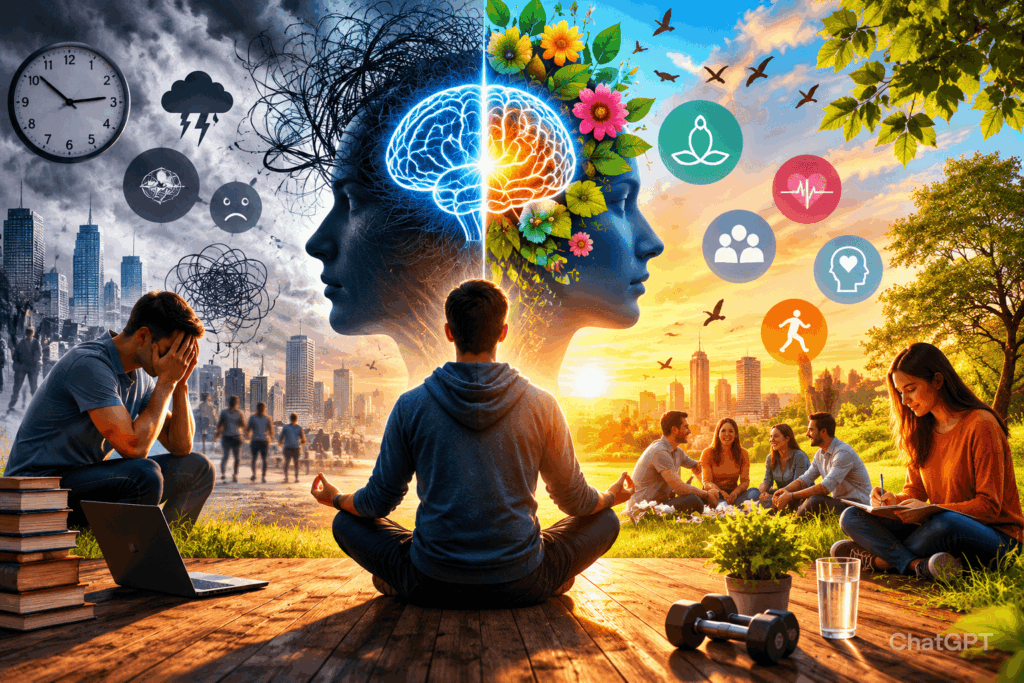
In today’s fast-moving digital era, prioritizing mental wellness has become more important than ever before. Across the globe, people are increasingly recognizing the value of emotional balance, psychological health, and self-care. From workplaces and schools to families and healthcare systems, mental wellness is now at the center of important conversations. The global shift toward mental wellness reflects a growing understanding that true success and happiness are impossible without a healthy mind.
The pressure of modern lifestyles, social media influence, financial stress, work burnout, and global uncertainties has pushed mental health into the spotlight. As a result, governments, organizations, and individuals are taking active steps to improve mental well-being and create healthier environments for everyone.
Understanding the Importance of Mental Wellness
Mental wellness is more than simply avoiding mental illness. It refers to maintaining emotional, psychological, and social well-being. A mentally healthy person can handle stress effectively, build positive relationships, make informed decisions, and adapt to life’s challenges.
Today, millions of people worldwide are experiencing stress, anxiety, depression, and emotional exhaustion. According to the World Health Organization (WHO), mental health conditions are becoming one of the leading causes of disability globally. This growing awareness has encouraged societies to prioritize mental wellness in ways that were often ignored in the past.
Why Prioritizing Mental Wellness Matters More Today
The Rise of Stress in Modern Life
Modern lifestyles are filled with constant pressure. Many people struggle to balance work responsibilities, family life, education, finances, and social expectations. Technology has connected the world, but it has also increased information overload and digital fatigue.
The demand to stay constantly productive often leaves little time for rest or emotional recovery. As a result, stress-related issues are becoming increasingly common among both adults and young people.
Social Media and Mental Health
Social media platforms have transformed communication, but they also impact mental wellness significantly. Constant comparison, unrealistic beauty standards, cyberbullying, and online negativity can affect self-esteem and emotional stability.
Research from Mental Health Foundation highlights how excessive social media use can increase anxiety and loneliness in some individuals. This has encouraged many people to practice digital detox strategies and healthier online habits.
Workplace Burnout and Emotional Exhaustion
Workplace burnout has become a major global issue. Long working hours, remote work stress, job insecurity, and pressure to perform have affected employee well-being worldwide.
Companies are now beginning to understand that prioritizing mental wellness improves productivity, creativity, and employee satisfaction. Many organizations are introducing:
- Flexible working hours
- Mental health leave
- Employee counseling programs
- Wellness workshops
- Meditation and mindfulness sessions
This shift shows that mental health is no longer considered a personal issue alone but also a workplace responsibility.
The Global Shift Toward Mental Wellness Awareness
Governments Supporting Mental Health Programs
Many governments are increasing investments in mental health services and awareness campaigns. Schools and universities are introducing mental health education to help students manage emotional challenges from an early age.
Public campaigns now encourage people to speak openly about mental health without fear or shame. This global movement is helping reduce stigma and making support more accessible.
Celebrities and Public Figures Promoting Mental Wellness
Celebrities, athletes, and influencers are openly discussing their mental health struggles. Their honesty has encouraged millions of people to seek help and prioritize emotional well-being.
Public conversations about anxiety, depression, therapy, and self-care have normalized the idea that mental health deserves equal attention as physical health.
How Technology Is Supporting Mental Wellness
Technology is also playing a positive role in promoting mental wellness. Mental health apps, online therapy platforms, and meditation tools are helping people access support more easily.
Popular wellness apps include:
These platforms provide guided meditation, stress management tools, sleep support, and online counseling services.
Virtual therapy sessions have especially helped people in remote areas who previously had limited access to mental healthcare.
Prioritizing Mental Wellness in Daily Life
Building Healthy Habits
Small daily habits can significantly improve mental wellness. Experts recommend:
- Regular physical activity
- Healthy eating
- Quality sleep
- Meditation and mindfulness
- Spending time in nature
- Maintaining social connections
These activities help reduce stress hormones and improve emotional resilience.
Practicing Mindfulness and Meditation
Mindfulness practices are becoming increasingly popular worldwide. Meditation helps individuals stay present, manage anxiety, and improve emotional awareness.
Studies show that regular mindfulness exercises can lower stress levels and improve overall mental clarity.
Importance of Self-Care
Self-care is no longer viewed as selfish. It is now recognized as an essential part of maintaining mental wellness.
Self-care activities may include:
- Taking breaks from work
- Reading books
- Exercising
- Journaling
- Listening to music
- Spending time with loved ones
These practices help recharge emotional energy and maintain balance in daily life.
Mental Wellness in Schools and Education
Educational institutions are increasingly focusing on emotional well-being alongside academic performance. Students today face immense pressure from exams, competition, and social expectations.
Schools are introducing:
- Counseling services
- Emotional learning programs
- Stress management workshops
- Anti-bullying initiatives
Teaching mental wellness early helps young people develop healthier coping skills for adulthood.
The Connection Between Physical Health and Mental Wellness
Mental and physical health are deeply connected. Poor mental health can affect sleep, immunity, digestion, heart health, and energy levels. Similarly, physical illnesses can impact emotional well-being.
Exercise is one of the most effective ways to support mental wellness. Physical activity releases endorphins, often called “feel-good hormones,” which improve mood and reduce stress.
Organizations like National Institute of Mental Health continue to emphasize the strong relationship between mental and physical well-being.
Breaking the Stigma Around Mental Health
Despite progress, mental health stigma still exists in many societies. Some people hesitate to seek help because they fear judgment or misunderstanding.
However, the global shift toward prioritizing mental wellness is slowly changing these attitudes. More people now understand that:
https://www.qaskme.com/impact-of-social-media-on-mental-health-key-insights/
- Mental illness is not weakness
- Seeking therapy is healthy
- Emotional struggles are common
- Support systems are important
Open discussions and education are helping create a more compassionate and supportive world.
The Future of Mental Wellness
The future of mental wellness looks promising as awareness continues to grow. Experts predict that mental health support will become more integrated into:
- Healthcare systems
- Schools
- Workplaces
- Community programs
- Digital technologies
Artificial intelligence and virtual healthcare may also improve mental health accessibility in the coming years.
Future generations are likely to grow up in a world where emotional well-being is treated with the same importance as physical fitness.
Conclusion
The global shift toward prioritizing mental wellness represents one of the most important social changes of modern times. As stress, anxiety, and burnout continue to affect millions of people worldwide, societies are beginning to recognize the urgent need for emotional well-being and mental health support.
From workplaces and schools to technology and healthcare, mental wellness is becoming a shared global priority. By encouraging self-care, reducing stigma, improving access to therapy, and promoting healthier lifestyles, individuals and communities can build a more balanced and compassionate future.
Prioritizing mental wellness is not just a trend it is a necessary step toward creating healthier, happier, and more resilient societies for generations to come.