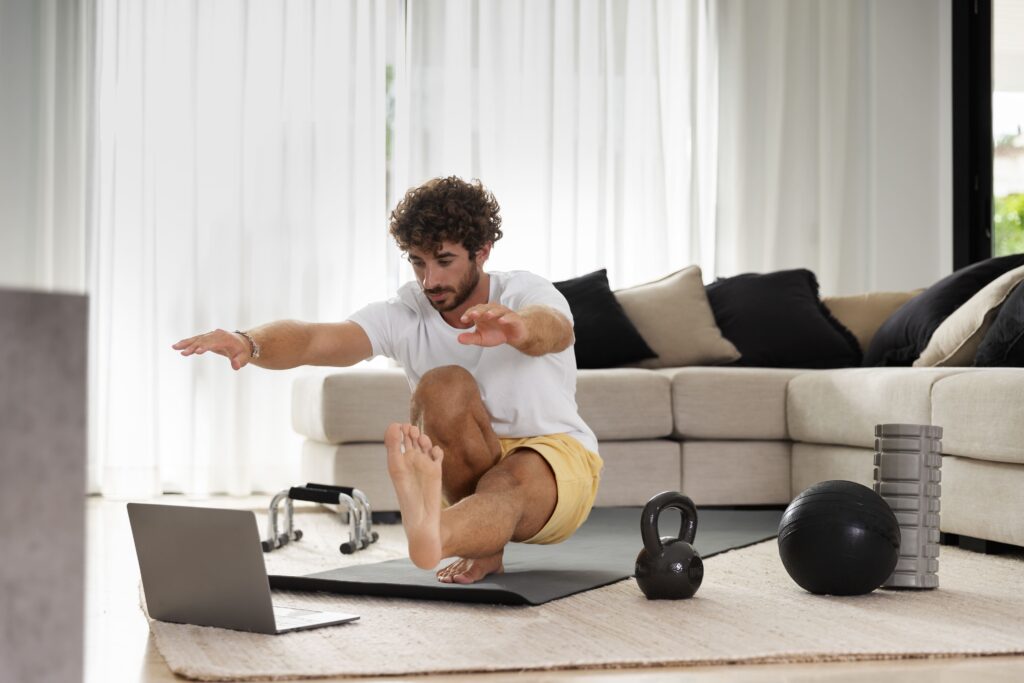
Getting fit at home is one of the most practical and effective ways to begin your fitness journey in 2026. This beginner’s workout plan (no equipment needed) is designed to help you build strength, improve endurance, and develop a sustainable routine without spending money on a gym membership. Whether you’re completely new to exercise or returning after a long break, this guide will show you exactly how to get fit at home with confidence and clarity.
Why Getting Fit at Home Is the Best Choice for Beginners
Starting a no equipment workout plan at home removes the pressure that often comes with gym environments. It gives you the flexibility to learn, grow, and improve at your own pace.
Key Advantages of a Beginner’s Workout Plan at Home
- Flexible schedule: Exercise whenever it suits you
- Zero cost: No equipment or membership required
- Comfort zone: Ideal for beginners who prefer privacy
- Sustainable habit: Easier to stay consistent long-term
According to the
👉 World Health Organization – Physical Activity Guidelines
regular physical activity reduces the risk of heart disease, improves mental health, and enhances overall well-being.
Understanding the Basics Before You Get Fit at Home
Before starting your beginner’s workout plan at home, it’s important to understand how your body responds to exercise.
What Happens When You Start Working Out?
- Your muscles adapt and grow stronger
- Your stamina improves gradually
- Your metabolism increases
- Your mood improves due to endorphins
How Much Should Beginners Exercise?
Start with 20–30 minutes per session, 3–4 times a week. As your strength improves, you can increase duration and intensity.
Warm-Up Routine to Prepare Your Body
A proper warm-up is essential in any no equipment workout plan. It reduces injury risk and improves performance.
5–10 Minute Warm-Up Plan
- Jumping jacks – 1 minute
- Arm swings – 1 minute
- High knees – 1 minute
- Bodyweight squats – 10 reps
- Light stretching
Learn why warm-ups matter here:
👉 American Council on Exercise Warm-Up Guide
Complete Beginner’s Workout Plan at Home (No Equipment)
Get Fit at Home: Beginner’s Workout Plan. This full-body, no-equipment workout plan targets all major muscle groups. Perform this circuit 2–3 rounds, depending on your fitness level.
Full-Body Routine to Get Fit at Home
1. Squats (Lower Body Power)
- 10–15 reps
- Keep your back straight and knees aligned
2. Push-Ups (Upper Body Strength)
- 5–10 reps
- Modify using knees if needed
3. Plank (Core Strength)
- Hold for 20–30 seconds
4. Lunges (Balance & Stability)
- 8–10 reps per leg
5. Mountain Climbers (Cardio Boost)
- 20–30 seconds
6. Glute Bridges (Hip Strength)
- 10–15 reps
👉 Rest for 30–60 seconds between exercises
For guided demonstrations, explore:
👉 NHS Home Workout Videos
Weekly Beginner Workout Schedule to Stay Consistent
Following a structured schedule helps you stay on track with your beginner’s workout plan at home.
| Day | Activity |
|---|---|
| Monday | Full-body workout |
| Tuesday | Light walking or rest |
| Wednesday | Full-body workout |
| Thursday | Stretching or yoga |
| Friday | Full-body workout |
| Saturday | Active recovery |
| Sunday | Rest |
Stretching Routine After Your Workout
Fit at Home: Beginner’s Workout Plan. Cooling down is just as important as warming up when trying to get fit at home.
Simple Cool-Down Stretches
- Hamstring stretch
- Quad stretch
- Shoulder stretch
- Child’s pose
Hold each stretch for 15–20 seconds to relax your muscles.
Nutrition Guide to Support Your Home Workout Plan
To maximize results from your no equipment workout plan, focus on balanced nutrition.
Essential Nutrients
- Protein: Helps muscle recovery (eggs, dal, paneer)
- Carbohydrates: Provide energy (rice, roti, oats)
- Healthy fats: Support overall health (nuts, seeds)
Explore a balanced diet here:
👉 Harvard Healthy Eating Plate Guide
Hydration and Sleep: Fit at Home: Beginner’s Workout Plan
Many beginners overlook these crucial factors while trying to get fit at home.
Hydration Tips
- Drink at least 2–3 liters of water daily
- Stay hydrated before and after workouts
Importance of Sleep
- Aim for 7–8 hours of sleep
- Helps muscle recovery and energy levels
Common Challenges in a Beginner’s Workout Plan at Home
Starting is easy, but staying consistent can be challenging.
Common Problems & Solutions
1. Lack of Motivation
👉 Set small goals and track progress
2. Feeling Too Tired
👉 Reduce intensity and build gradually
3. Boredom
👉 Try different exercises or follow online workouts
How to Stay Consistent and Build a Habit
Consistency is the secret to success in any no equipment workout plan.
Practical Tips
- Fix a workout time daily
- Wear comfortable workout clothes
- Use a fitness app or timer
- Celebrate small achievements
Advanced Progression: Next Step After Beginner Level
Once you feel comfortable with your beginner’s workout plan at home, you can level up:
- Increase repetitions
- Add more workout rounds
- Reduce rest time
- Try advanced variations (e.g., full push-ups, longer planks)
Mental Health Benefits of Working Out at Home
Fitness isn’t just physical it’s mental too.
Benefits Include:
- Reduced stress and anxiety
- Improved mood
- Better focus and productivity
Exercise releases endorphins, often called “feel-good hormones,” which help improve emotional well-being.
Realistic Expectations: What Results Look Like
When following a beginner’s workout plan at home, results take time.
Timeline of Progress
- Week 1–2: Increased energy
- Week 3–4: Improved strength
- Week 5–8: Visible body changes
Stay patient and consistent.
Final Thoughts: Your Journey to Get Fit at Home Starts Now
Getting started with a beginner’s workout plan at home (no equipment needed) is one of the best decisions you can make for your health. You don’t need a gym, expensive tools, or complicated routines just dedication and consistency.
By following this guide, maintaining a balanced diet, and staying committed, you can successfully get fit at home and build a healthier, stronger version of yourself.