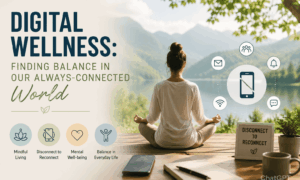


Health Trends in 2026 are shaping how people across the world think about wellness, prevention, nutrition, and fitness. From personalized healthcare powered by technology to renewed interest in mental well-being and sustainable living, these emerging wellness shifts are helping individuals make smarter choices for a healthier lifestyle. Understanding these top health trends in 2026 can help you stay informed, proactive, and empowered as you build habits that support long-term physical and mental wellness.
In this guide, you’ll explore the most important health trends in 2026, why they matter, and how you can apply them to improve your everyday lifestyle.
1. Personalized Healthcare Is Leading the Health Trends in 2026
One of the most important health trends in 2026 is personalized healthcare. Instead of general treatment plans, people are increasingly receiving recommendations tailored to their genetics, lifestyle habits, and health history.
Personalized care helps individuals:
- Understand their risk for certain conditions
- Improve nutrition choices
- Optimize exercise routines
- Prevent illnesses earlier
Technology now allows wearable devices and health apps to track sleep patterns, heart rate, stress levels, and physical activity. These insights make it easier to create customized health strategies that work for different bodies and routines.
Learn more about personalized health approaches here:
https://www.nih.gov/health-information
2. Preventive Healthcare Is a Core Lifestyle Priority in 2026
Preventive healthcare continues to dominate the top health trends in 2026. Instead of waiting for illness, people are focusing on avoiding disease altogether.
Common preventive strategies include:
- Routine health screenings
- Vaccinations
- Balanced diets
- Regular physical activity
- Stress management
Preventive care reduces long-term healthcare costs and improves quality of life for people of all ages.
Explore preventive health resources:
https://www.who.int/health-topics/prevention
3. Mental Health Awareness Is Central to Better Lifestyle Choices
Mental wellness remains one of the strongest health trends in 2026 for a better lifestyle. People increasingly recognize that emotional well-being is just as important as physical fitness.
Healthy mental habits include:
- Practicing mindfulness
- Maintaining social connections
- Limiting digital overload
- Seeking professional support when needed
Organizations, workplaces, and schools are also promoting mental health education and supportive environments.
Helpful mental health guidance is available at:
https://www.cdc.gov/mentalhealth
4. Gut Health Continues to Shape Nutrition Trends in 2026
Gut health is becoming a major part of nutrition-focused health trends in 2026. Research shows that digestive health affects immunity, mood, metabolism, and energy levels.
People are improving gut health by:
- Eating fiber-rich foods
- Including fermented foods
- Reducing processed sugar intake
- Drinking enough water
Foods such as yogurt, whole grains, fruits, and vegetables support beneficial gut bacteria and overall wellness.
More about digestive health here:
https://www.niddk.nih.gov/health-information/digestive-diseases
5. Wearable Health Technology Supports Smart Lifestyle Decisions
Wearable technology is transforming how people monitor their health daily. Devices that track steps, sleep quality, and heart activity are now essential tools supporting smart health habits in 2026.
Benefits include:
- Real-time activity tracking
- Better sleep awareness
- Motivation to stay active
- Early warning signs of health concerns
These devices empower individuals to make informed decisions about their lifestyle habits.
6. Plant-Based Diets Are Growing Across Global Health Trends in 2026
Plant-based eating is one of the fastest-growing nutrition trends in 2026. Many people are choosing meals that include more vegetables, legumes, nuts, seeds, and whole grains.
Benefits of plant-focused diets include:
- Improved heart health
- Better digestion
- Reduced environmental impact
- Sustainable food choices
Plant-based diets do not require eliminating all animal products. Instead, they encourage balance and variety.
Learn more about balanced nutrition guidance:
https://www.hsph.harvard.edu/nutritionsource
7. Sleep Optimization Is a Major Wellness Trend in 2026
Sleep health has become a major part of health improvement strategies in 2026. Experts now recognize that quality sleep supports immunity, memory, metabolism, and emotional stability.
Healthy sleep habits include:
- Maintaining consistent sleep schedules
- Reducing screen time before bed
- Creating a comfortable sleep environment
- Managing stress effectively
Improving sleep quality can positively impact nearly every aspect of daily life.
Explore sleep health recommendations:
https://www.sleepfoundation.org
8. Digital Healthcare Access Is Expanding Worldwide
Telehealth services continue to shape the future of healthcare access. Virtual consultations allow people to connect with professionals conveniently and safely.
Benefits of digital healthcare include:
- Reduced travel time
- Easier specialist access
- Faster consultations
- Better follow-up care
This shift supports inclusive healthcare access across urban and rural communities alike.
Learn about digital health developments:
https://www.who.int/health-topics/digital-health
9. Fitness Trends in 2026 Focus on Flexibility and Inclusivity
Modern fitness approaches reflect diverse needs and lifestyles. Instead of one-size-fits-all routines, people are choosing activities that match their comfort levels and goals.
Popular fitness approaches include:
- Home workouts
- Low-impact training
- Yoga and stretching
- Walking routines
- Strength-building exercises
Inclusive fitness encourages participation from people of different ages, abilities, and experience levels.
Physical activity guidance is available at:
https://www.who.int/news-room/fact-sheets/detail/physical-activity
10. Sustainable Wellness Is Influencing Health Trends in 2026
Sustainability is becoming an important part of future health trends in 2026. People are recognizing that environmental well-being supports personal health as well.
Examples of sustainable wellness habits include:
- Choosing locally sourced foods
- Reducing plastic use
- Supporting eco-friendly products
- Spending more time outdoors
These habits help individuals contribute to healthier communities and environments.
Learn more about environmental health awareness:
https://www.unep.org/explore-topics/healthy-environment
How These Health Trends in 2026 Support a Better Lifestyle
Adopting even a few of these top health trends in 2026 can lead to noticeable improvements in daily energy, focus, and resilience. A better lifestyle does not require drastic changes. Instead, small consistent habits often produce meaningful results over time.
For example:
- Drinking enough water improves concentration
- Regular walking supports heart health
- Balanced meals boost immunity
- Strong social connections support mental well-being
Together, these actions create a foundation for long-term wellness.
https://www.qaskme.com/10-must-try-superfoods-for-optimal-health-in-2026-upgrade-your-diet-now/
Simple Ways to Start Following the Top Health Trends in 2026 Today
If you want to benefit from the latest health trends in 2026, begin with practical steps:
Start small by:
- Tracking your daily movement
- Adding one extra vegetable to meals
- Sleeping at consistent times
- Practicing short mindfulness sessions
- Scheduling routine health checkups
These steps are realistic, sustainable, and effective for people with different schedules and lifestyles.
Final Thoughts on Health Trends in 2026 for a Better Lifestyle
Understanding the most important health trends in 2026 helps individuals make informed choices that support both physical and emotional well-being. From personalized healthcare and preventive strategies to mental wellness and sustainable habits, today’s health landscape encourages balanced living rather than quick fixes.
By gradually adopting these modern lifestyle health trends, anyone can build routines that promote resilience, confidence, and long-term wellness. The future of health is not only about treatment it is about awareness, prevention, and everyday choices that support a better quality of life for everyone