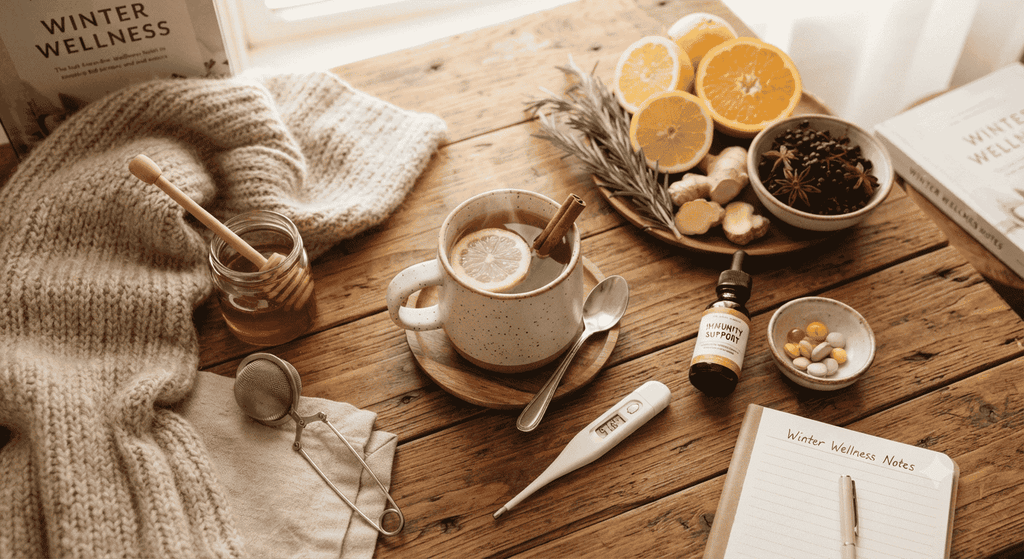
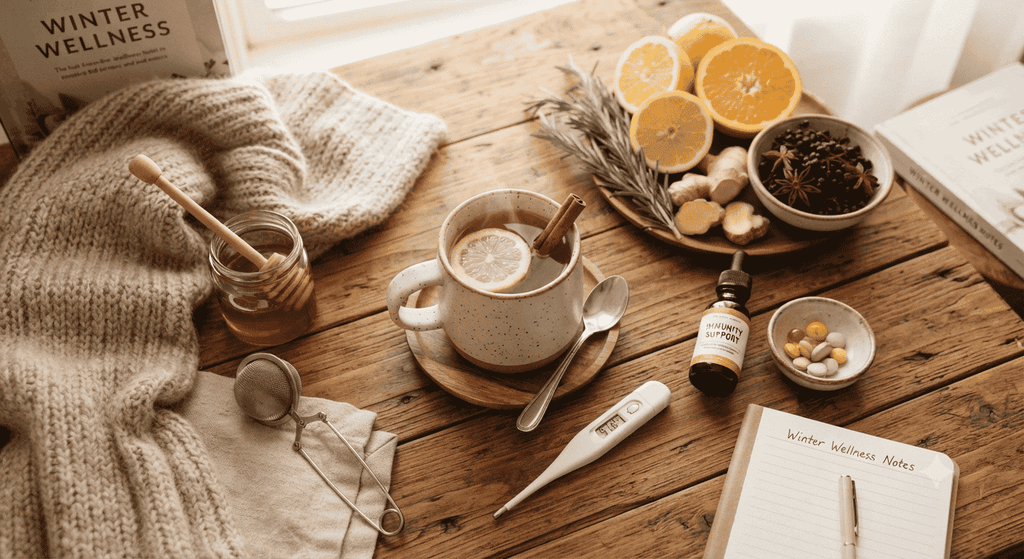
Winter Health Tips 2026: Simple Ways to Stay Healthy During Winter
Winter is a beautiful season, but cold weather can also create challenges for our health. As temperatures drop, people may experience dry skin, seasonal infections, breathing discomfort, reduced physical activity, and changes in their daily routines. Following Winter Health Tips 2026 can help individuals maintain a healthy lifestyle and enjoy the colder months more comfortably.
During winter, many people prefer staying indoors, drinking warm beverages, and eating comforting foods. However, spending too much time indoors without proper ventilation, avoiding exercise,e and drinking less water can affect overall well-being. Children, older adults and people with existing health conditions may need additional care during cold weather.
The good news is that staying healthy in winter does not require expensive products or complicated routines. Simple habits such as wearing suitable clothes, eating balanced meals, maintaining personal hygiene,ne and getting enough sleep can make a meaningful difference.
In this article, we will discuss seven practical winter health tips, healthy winter habits, food choices,ces and precautions that can help people stay comfortable and active during the winter season.
1. Winter Health Tips 2026: Wear Warm Clothes Properly
One of the most important winter health tips is to wear appropriate clothing according to the temperature. Cold air can make the body lose heat, especially during early mornings, late evenings, and cold waves.
Instead of wearing only one thick garment, try wearing multiple layers. Layers help trap warm air close to the body and can be adjusted according to the weather.
Best Clothing Choices for Winter
- Wear warm sweaters, jackets, and coats.
- Cover your head and ears when going outdoors.
- Use socks and comfortable footwear to keep your feet warm.
- Wear gloves during particularly cold weather.
- Keep your clothes dry because damp clothing can make you feel colder.
- Cover your nose and mouth loosely with a scarf when exposed to cold air.
People should pay special attention to children and older family members because they may need additional help staying warm.
During severe cold waves, avoid spending unnecessary time outdoors. For more cold-weather safety advice, read the official cold wave precautions from India’s National Centre for Disease Control.
2. Healthy Winter Diet: Eat Nutritious Seasonal Foods
A balanced diet is an essential part of Winter Health Tips 2026. During winter, many people enjoy fried snacks, sweets, and heavy meals. Although these foods may be comforting, eating them frequently can make it difficult to maintain a balanced diet.
Try including a variety of seasonal fruits, vegetables, whole grains, nuts, and protein-rich foods in your daily meals.
Healthy Foods to Include in Winter
- Green leafy vegetables: Spinach, mustard greens, ens and other seasonal vegetables provide important nutrients.
- Citrus fruits: Oranges and lemons contain vitamin C.
- Amla: Amla is a vitamin C-rich seasonal fruit.
- Carrots: Carrots provide beta-carotene and fibre.
- Pulses and beans: These are useful sources of plant-based protein.
- Nuts and seeds: Almonds, walnuts and seeds can be included in moderate portions.
- Whole grains: Roti, oats and other whole grains provide energy and fibre.
A healthy winter diet should be varied and balanced. No single food can prevent all illnesses or guarantee strong immunity.
Readers can also explore more useful information through QaskMe Health Tips and Wellness Articles.
3. Winter Hydration Tips: Drink Enough Water
Many people drink less water during winter because they do not feel as thirsty as they do in summer. However, the body still requires adequate fluids throughout the day.
Dehydration may contribute to tiredness, headaches, and difficulty concentrating. Therefore, maintaining hydration is an important part of winter health care.
How to Stay Hydrated During Cold Weather
- Drink water regularly throughout the day.
- Include warm water if you find it more comfortable.
- Enjoy soups as part of a balanced diet.
- Drink milk or other suitable beverages if they fit your dietary needs.
- Limit excessive caffeine intake.
- Pay attention to thirst as a general hydration indicator.
There is no single fixed amount of water that is appropriate for everyone. Fluid requirements may vary depending on age, activity level, weather, and medical conditions.
People who have been advised to restrict fluids because of a medical condition should follow their healthcare professional’s instructions.
4. Winter Exercise Tips: Stay Physically Active Every Day
Cold weather often makes people feel less motivated to exercise. Many individuals stop walking or exercising regularly because mornings are colder and days are shorter.
However, regular physical activity is an important part of maintaining overall health. Winter is a good time to continue a suitable exercise routine indoors or outdoors, depending on the weather.
Easy Exercises for Winter
- Walking indoors or outdoors when conditions are safe.
- Gentle stretching exercises.
- Yoga for flexibility and balance.
- Simple home workouts.
- Light household activities.
- Breathing exercises for relaxation.
Before exercising outdoors, check the weather and air quality. During foggy or extremely cold conditions, an indoor workout may be a better option.
People with heart disease, asthma, or other medical conditions should follow exercise advice from their healthcare professional. Avoid sudden intense exercise in extreme cold.
For additional winter wellness guidance, read Times of India’s winter wellness and self-care tips.
5. Winter Skin Care Tips: Protect Your Skin from Dryness
Dry skin is a common problem during winter. Cold weather, low humidity, indoor heating,g and frequent hot showers can make the skin feel rough, tight, or itchy.
Following a simple skincare routine can help maintain skin comfort.
Simple Winter Skin Care Routine
- Apply a suitable moisturizer after bathing.
- Use lukewarm water instead of very hot water.
- Avoid harsh soaps that make your skin feel excessively dry.
- Apply lip balm to protect dry lips.
- Use sunscreen when spending time outdoors during daylight.
- Avoid scratching irritated or itchy skin.
People with sensitive skin should choose products that suit their skin type. If dryness becomes severe, painful,l or persistent, consult a dermatologist.
6. Winter Sleep Tips: Maintain a Healthy Sleep Routine
Good sleep is another important part of Winter Health Tips 2026. During colder months, people may change their sleep schedules, spend more time in bed, or become less physically active.
A consistent sleep routine can support physical and mental well-being.
Healthy Sleeping Habits During Winter
- Maintain a regular bedtime and wake-up time.
- Aim for adequate sleep according to your age.
- Keep your bedroom comfortable and properly ventilated.
- Avoid excessive screen use immediately before bedtime.
- Avoid heavy meals close to bedtime.
- Keep your bedding clean and comfortable.
Adults generally need around 7–9 hours of sleep each night, although individual requirements may vary.
If you regularly experience sleep problems or excessive daytime tiredness, seek professional advice.
7. Winter Immunity Tips: Maintain Hygiene and Prevent Infections
Winter is often associated with respiratory infections such as colds and influenza. Maintaining good hygiene and taking appropriate precautions can help reduce the risk of spreading infections.
Important Winter Hygiene Habits
- Wash your hands regularly with soap and water.
- Avoid touching your eyes, nose,e and mouth with unclean hands.
- Cover your mouth and nose when coughing or sneezing.
- Avoid close contact with unwell people.
- Keep indoor spaces reasonably ventilated.
- Clean frequently touched surfaces.
- Discuss recommended vaccinations with your healthcare professional.
People should not rely on home remedies alone to treat infections. If symptoms become severe or persistent, medical evaluation is important.
Additional Winter Health Precautions for Children and Older Adults
Children and older adults may require extra attention during winter. Families should ensure that they remain comfortably warm, eat balanced meals, and maintain their regular routines.
Winter Care for Children
- Dress children in suitable warm layers.
- Encourage regular water intake.
- Maintain hand hygiene.
- Keep children away from people who are sick when possible.
- Follow recommended vaccinations.
- Seek medical advice if a child develops concerning symptoms.
Winter Care for Older Adults
- Keep living spaces comfortably warm.
- Encourage gentle physical activity when appropriate.
- Help them maintain regular meals and hydration.
- Ensure prescribed medicines are taken as directed.
- Avoid unnecessary exposure to severe cold.
- Pay attention to unusual weakness, confusion, or breathing difficulties.
Older adults with chronic illnesses should consult their doctors for individualised winter precautions.
Common Winter Health Mistakes to Avoid
Even when people follow a healthy lifestyle, certain winter habits may affect their well-being.
| Winter Mistake | Better Habit |
|---|---|
| Drinking very little water | Drink fluids regularly |
| Taking excessively hot showers | Use lukewarm water |
| Avoiding all physical activity | Exercise according to weather |
| Eating fried foods frequently | Choose balanced meals |
| Staying indoors without ventilation | Maintain suitable indoor ventilation |
| Ignoring persistent symptoms | Consult a healthcare professional |
| Going outside without warm clothes | Dress in appropriate layers |
Avoiding these habits can make winter more comfortable and help maintain a healthier routine.
Conclusion
Winter Health Tips 2026 are useful for anyone who wants to maintain a healthy lifestyle during the colder months. Winter does not have to mean reduced activity, poor eating habits, or constant discomfort.
Simple practices such as wearing warm clothes, eating nutritious seasonal foods, drinking enough water, exercising regularly, protecting the skin, and maintaining good hygiene can support overall well-being.
It is also important to take extra care of children, older adults s, ts and people with existing medical conditions during cold weather. Severe breathing difficulties and persistent health symptoms should never be ignored.
By following these seven simple winter health tips, individuals can develop healthier habits and enjoy the winter season more comfortably.
Remember that these tips are for general information and are not a substitute for professional medical advice.
.