

Education is evolving rapidly, and top education trends for 2026 are reshaping how students learn and how teachers teach across schools, colleges, and digital platforms worldwide. From artificial intelligence–powered classrooms to skill-based learning and hybrid education models, the education trends for students and teachers in 2026 highlight a future that is more inclusive, flexible, and technology-driven than ever before. Understanding these trends helps learners stay competitive and helps educators design meaningful learning experiences that prepare everyone for tomorrow’s challenges.
In this blog, we explore the top education trends for 2026, practical insights for students and teachers, and how these changes can improve learning outcomes in the modern world.
Why the Top Education Trends for 2026 Matter for Students and Teachers
The top education trends for 2026 are not just about technology they reflect a shift toward personalized learning, career readiness, and global collaboration. According to insights from UNESCO, digital innovation is helping expand access to knowledge and improve learning quality worldwide while also encouraging inclusive and equitable education systems.
For students, these trends mean:
- More flexible learning opportunities
- Career-focused education pathways
- Access to global resources
For teachers, they mean:
- Smarter teaching tools
- Data-driven insights
- Stronger engagement strategies
Understanding these shifts ensures both educators and learners remain future-ready.
Artificial Intelligence in Classrooms: A Key Education Trend for 2026
Artificial intelligence is one of the most transformative education trends for students and teachers in 2026. AI-powered tools are changing lesson planning, assessments, and personalized support.
How AI Supports Students
Students benefit from:
- Personalized learning paths
- Instant feedback on assignments
- Virtual tutoring support
- Language translation tools for global learning
Platforms like Khan Academy and Coursera already provide adaptive learning experiences that adjust content based on performance.
How AI Helps Teachers
Teachers use AI to:
- Automate grading tasks
- Track learning progress
- Identify struggling learners early
- Create customized lesson plans
AI enables teachers to focus more on mentoring rather than administrative tasks.
Hybrid Learning Models: A Core Education Trend for 2026
Hybrid learning combines classroom teaching with digital learning tools. This approach has become one of the most practical top education trends for 2026.
Benefits of Hybrid Learning for Students
Hybrid learning allows:
- Flexible study schedules
- Access to recorded lessons
- Self-paced revision opportunities
- Learning beyond geographical limits
Benefits of Hybrid Learning for Teachers
Teachers gain:
- Better student engagement analytics
- Multiple teaching formats
- Improved collaboration opportunities
Tools like Google Classroom and Microsoft Teams help manage hybrid classrooms effectively.
Skill-Based Education: A Major Education Trend for Students and Teachers in 2026
One of the strongest education trends for 2026 is the shift from degree-focused learning to skill-based education.
According to insights from World Economic Forum, future careers increasingly require adaptability, creativity, and digital literacy rather than memorization-based learning alone.
Key Skills Students Need in 2026
Important skills include:
- Critical thinking
- Communication skills
- Digital literacy
- Problem-solving ability
- Emotional intelligence
Teachers now integrate real-world applications into lessons to strengthen these competencies.
Personalized Learning: Transforming Education in 2026
Personalized learning is another important education trend for students and teachers in 2026. Instead of a single learning pace for everyone, education systems are adapting to individual needs.
Features of Personalized Learning
Students benefit from:
- Customized assignments
- Flexible learning speed
- Individual progress tracking
- Tailored career guidance
Teachers use analytics dashboards to monitor performance and adjust instruction accordingly.
This trend ensures that learners from diverse backgrounds receive equal opportunities to succeed.
Digital Literacy as a Fundamental Education Trend for 2026
Digital literacy is no longer optional—it is essential.
Students must understand:
- Online safety
- Research skills
- Responsible technology use
- Digital collaboration tools
Teachers also upgrade their digital teaching skills to match modern classroom requirements.
Global education strategies highlighted by OECD emphasize that technological and social trends are reshaping learning expectations worldwide.
Microlearning: A Fast-Growing Education Trend for Students and Teachers in 2026
Microlearning delivers short, focused learning modules instead of long lectures.
Advantages of Microlearning for Students
Students can:
- Learn quickly
- Retain information better
- Study anywhere
- Balance learning with busy schedules
Advantages for Teachers
Teachers benefit from:
- Simplified lesson planning
- Higher engagement levels
- Easier concept reinforcement
Microlearning fits perfectly into modern attention patterns and mobile-based learning environments.
Global Classrooms and Cross-Cultural Learning in 2026
Education is becoming more international.
Students now collaborate with peers across countries using digital platforms. Teachers organize joint virtual projects that promote cultural understanding and teamwork.
Benefits include:
- Improved communication skills
- Global awareness
- Exposure to diverse perspectives
- Better career readiness
These global experiences prepare students for international workplaces.
Social and Emotional Learning: A Rising Education Trend for 2026
Academic success alone is not enough today.
Social and emotional learning helps students develop:
- Self-awareness
- Empathy
- Leadership skills
- Stress management abilities
Research highlights that communication and interpersonal skills are becoming increasingly valuable in modern workplaces.
Teachers play a key role in nurturing these abilities alongside academic instruction.
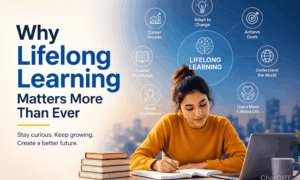
Lifelong Learning Culture: One of the Most Important Education Trends for 2026
Learning does not stop after graduation anymore.
Students and professionals continuously upgrade skills through:
- Online certifications
- Short courses
- Industry training programs
- Digital learning platforms
AI-powered learning platforms are accelerating lifelong education adoption across age groups.
Teachers also participate in professional development programs to stay updated with modern teaching strategies.
Career-Focused Education: Preparing Students for the Future Workforce
Career readiness is a major focus area in the top education trends for 2026.
Education systems now emphasize:
- Internship opportunities
- Project-based learning
- Industry collaboration
- Entrepreneurship education
Recent workforce insights suggest creativity, adaptability, and problem-solving are essential future-ready skills.
Teachers help students explore emerging career paths and align learning with real-world opportunities.
https://www.qaskme.com/ai-tools-vs-human-skills-2026/
Inclusive Education: A Key Education Trend for Students and Teachers in 2026
Inclusive education ensures equal access for all learners regardless of background or ability.
Modern education systems now support:
- Accessible digital content
- Multilingual learning tools
- Assistive technologies
- Flexible assessment methods
Global digital education initiatives highlight that technology can strengthen inclusion and improve access to learning worldwide.
Teachers play a central role in building supportive classroom environments where every student feels valued.
Sustainability Education: A Growing Education Trend for 2026
Sustainability is becoming part of mainstream education.
Students learn about:
- Climate awareness
- Responsible consumption
- Renewable energy concepts
- Environmental protection
Teachers integrate sustainability topics into science, social studies, and project-based learning activities.
This prepares learners to become responsible global citizens.
https://www.unesco.org/en/futures-education
Practical Tips for Students to Adapt to Education Trends in 2026
Students can stay ahead by:
- Learning digital tools regularly
- Practicing communication skills
- Participating in online courses
- Building portfolios instead of relying only on marks
- Exploring interdisciplinary learning
Small steps today can create strong career opportunities tomorrow.
Practical Tips for Teachers to Adapt to Education Trends in 2026
Teachers can embrace these trends by:
- Using blended learning techniques
- Exploring AI-supported teaching tools
- Encouraging collaborative learning
- Promoting creativity in classrooms
- Updating teaching strategies regularly
Continuous professional growth ensures educators remain effective in modern classrooms.
Conclusion: Embracing the Top Education Trends for 2026 Together
The top education trends for 2026 highlight a powerful transformation in how knowledge is shared, developed, and applied. From artificial intelligence and hybrid classrooms to inclusive learning and global collaboration, these education trends for students and teachers in 2026 create opportunities for smarter, more flexible, and career-focused education systems.
Students who embrace lifelong learning and digital skills will stay competitive in the future workforce. Teachers who adopt innovative teaching methods will inspire deeper engagement and stronger learning outcomes.
By working together, students and teachers can shape an education system that is inclusive, future-ready, and empowering for everyone.