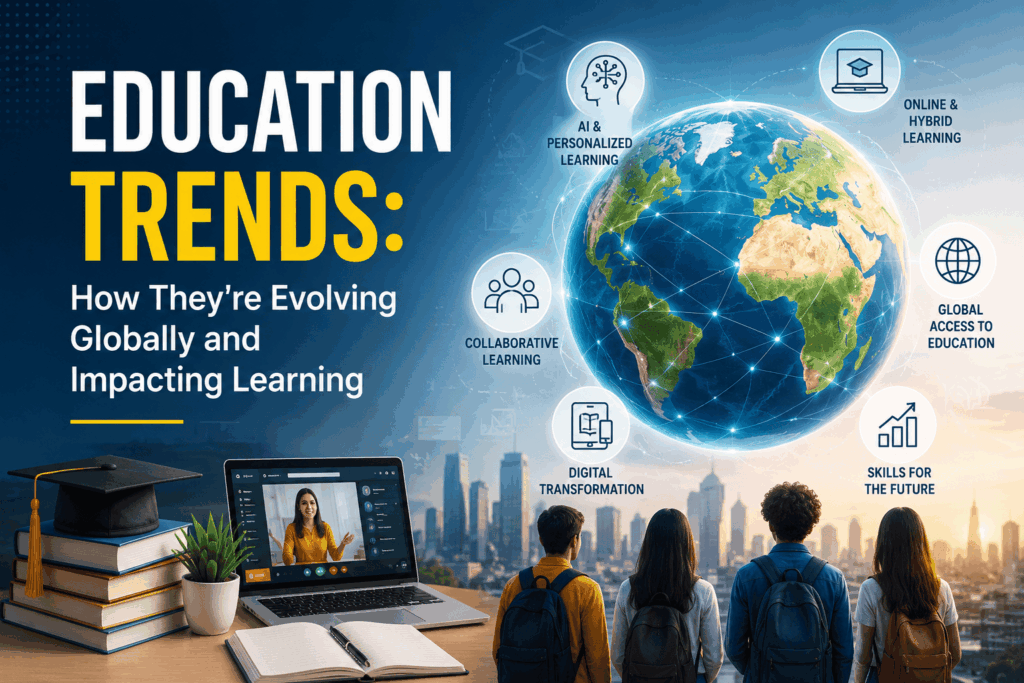
Education trends are rapidly reshaping how students learn, how teachers teach, and how institutions operate worldwide. In 2026, education trends are not just about technology they reflect deeper shifts in accessibility, inclusivity, skills development, and global collaboration. Understanding these evolving education trends is essential for students, educators, and policymakers who want to stay relevant in a fast-changing world.
Global Education Trends Transforming Learning in 2026
The global education landscape is undergoing a major transformation. Traditional classroom models are being replaced or at least supplemented by more flexible, tech-driven approaches.
One major driver of this change is globalization. Students today are no longer limited by geography. They can access courses from top universities across the world, collaborate with peers internationally, and gain exposure to diverse perspectives.
Organizations like UNESCO have emphasized the importance of inclusive and equitable education, pushing countries to adopt policies that reduce learning gaps.
👉 Learn more about global education initiatives: https://www.unesco.org/en/education
AI in Education Trends: Personalized and Smart Learning
Artificial Intelligence (AI) is one of the most powerful forces shaping modern education trends. It is transforming learning into a more personalized experience.
How AI is Impacting Learning Globally
- Adaptive learning platforms tailor lessons based on student performance
- AI tutors provide instant feedback and support
- Automation reduces administrative workload for teachers
For example, platforms like Khan Academy and Coursera are already using AI to recommend courses and learning paths.
👉 Explore AI-powered learning tools: https://www.coursera.org
AI is not replacing teachers it is enhancing their role by allowing them to focus more on creativity, mentorship, and critical thinking.
Digital Learning Trends and the Rise of Online Education
Another major education trend is the rapid growth of online and hybrid learning models. The pandemic accelerated this shift, but it has now become a permanent part of global education systems.
Key Digital Education Trends
- Hybrid classrooms combining online and offline learning
- Increased use of mobile learning apps
- Virtual classrooms with real-time interaction
Online learning platforms such as edX and Udemy are making education more accessible than ever.
👉 Browse online courses: https://www.edx.org
These platforms allow learners to upskill at their own pace, making education more flexible and inclusive.
Skills-Based Education Trends for Future Careers
Education trends are shifting from degree-focused learning to skills-based education. Employers are now more interested in what you can do rather than just what you have studied.
In-Demand Skills in 2026
- Digital literacy and coding
- Critical thinking and problem-solving
- Communication and collaboration
- Data analysis and AI skills
According to World Economic Forum, skills like analytical thinking and innovation are among the most important for the future workforce.
👉 Read more about future skills: https://www.weforum.org/agenda
This shift is encouraging students to focus on practical knowledge and real-world applications.
Global Access to Education and Inclusivity Trends
One of the most important education trends today is improving access to learning for everyone.
Inclusive Education Trends
- Free online courses for underserved communities
- Multilingual learning platforms
- Assistive technologies for students with disabilities
Initiatives by organizations like UNICEF are helping bridge the education gap in developing regions.
👉 Discover global education programs: https://www.unicef.org/education
Inclusivity ensures that education is not a privilege but a fundamental right.
Gamification and Interactive Learning Trends
Gamification is making learning more engaging and effective. By incorporating game elements into education, students are more motivated to participate and complete tasks.
Benefits of Gamified Learning
- Increases student engagement
- Enhances retention and understanding
- Encourages healthy competition
Apps like Duolingo use gamification to make language learning fun and addictive.
👉 Try gamified learning: https://www.duolingo.com
Interactive learning is especially effective for younger students and digital-native learners.
Hybrid Learning Models: The New Normal in Education Trends
Hybrid learning combines the best of both worlds online and in-person education.
Why Hybrid Learning is Growing
- Flexibility for students and teachers
- Reduced costs and travel time
- Better access to global resources
Universities worldwide are adopting hybrid models to enhance learning experiences while maintaining flexibility.
This approach ensures continuity in education, even during disruptions.
Data-Driven Education Trends and Learning Analytics
Data is playing a crucial role in shaping education trends. Learning analytics help educators understand student behavior and improve outcomes.
How Data is Used in Education
- Tracking student progress
- Identifying learning gaps
- Personalizing teaching strategies
Institutions are using data to make informed decisions and improve curriculum design.
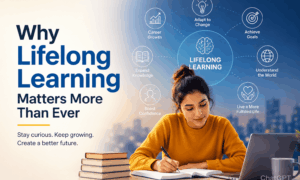
Lifelong Learning Trends in a Changing World
Education is no longer limited to school or college. Lifelong learning is becoming a key trend in modern education.
Why Lifelong Learning Matters
- Rapid technological changes require continuous upskilling
- Career shifts are becoming more common
- Learning new skills enhances personal growth
Platforms like LinkedIn Learning support professionals in continuous development.
👉 Explore lifelong learning courses: https://www.linkedin.com/learning
In 2026, learning is a continuous journey, not a one-time phase.
Global Collaboration and Cross-Border Learning Trends
Students today are part of a global learning ecosystem. Collaboration across borders is becoming a key feature of modern education.
Examples of Global Learning Trends
- International virtual classrooms
- Collaborative research projects
- Student exchange programs
This global exposure helps students develop cultural awareness and adaptability skills that are essential in today’s interconnected world.
The Future of Education Trends: What Lies Ahead?
Looking ahead, education trends will continue to evolve with advancements in technology and changes in societal needs.
Future Education Trends to Watch
- Virtual Reality (VR) classrooms
- Blockchain for academic credentials
- AI-powered career guidance
- Fully personalized learning journeys
The future of education will be more flexible, inclusive, and technology-driven than ever before.
Conclusion: Why Understanding Education Trends Matter
Education trends are not just shaping classrooms they are shaping the future of society. From AI-driven personalized learning to global accessibility and lifelong education, these trends are redefining what it means to learn.
By staying informed about evolving education trends, students can make better career choices, educators can improve teaching methods, and institutions can create more effective learning environments.
In a world that is constantly changing, adapting to these education trends is not optional it’s essential.