
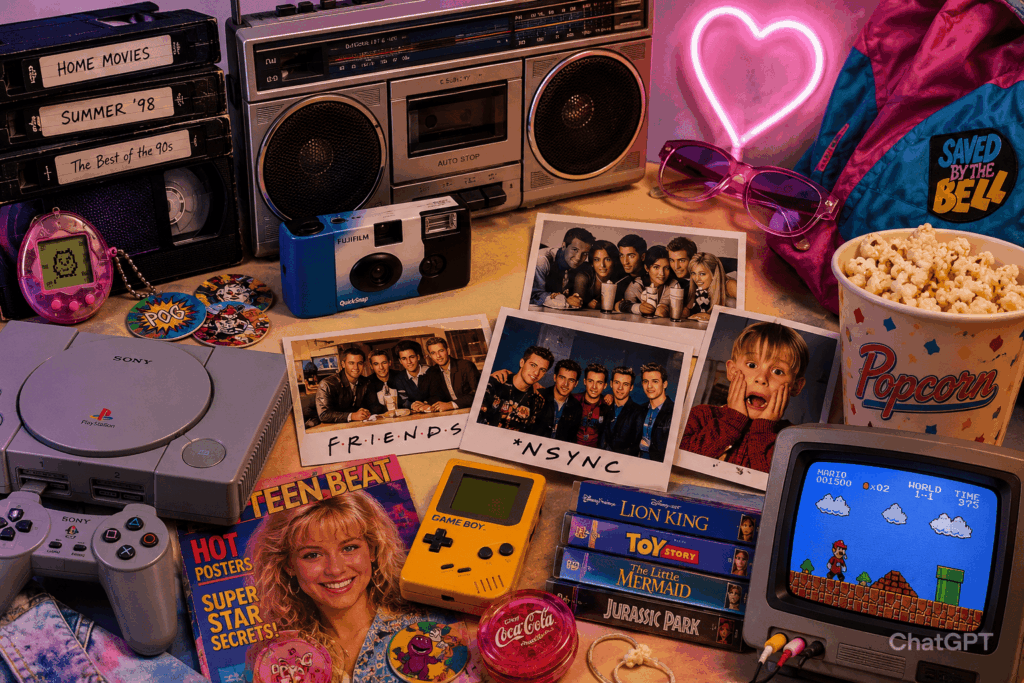
In recent years, nostalgia content has made a powerful comeback across entertainment, social media, fashion, gaming, and marketing. From retro TV show reboots to vintage fashion trends and classic video games, people everywhere are reconnecting with memories from the past. The rise of nostalgia content is not just a passing internet trend it reflects deeper emotional, cultural, and technological shifts shaping modern society. Whether it is millennials reliving childhood memories or Gen Z discovering older aesthetics for the first time, nostalgia-driven media has become one of the biggest trends of the digital age.
But why is nostalgia content becoming so popular again? What makes people emotionally attached to old music, retro aesthetics, classic cartoons, and vintage pop culture? Let’s explore the reasons behind this growing trend and how nostalgia continues to influence modern entertainment and online culture.
The Emotional Power of Nostalgia Content
One of the biggest reasons nostalgia content is making a comeback is its emotional connection with audiences. Nostalgia reminds people of simpler times, childhood memories, family traditions, and meaningful experiences. In stressful or uncertain periods, people often look back at familiar memories that bring comfort and happiness.
Psychologists suggest that nostalgia can improve mood, reduce stress, and create feelings of belonging. According to the American Psychological Association, nostalgic memories can help people feel emotionally connected and optimistic about life.
You can learn more about nostalgia psychology here:
American Psychological Association
Whether someone is rewatching an old cartoon, listening to 90s music, or playing retro games, nostalgia creates emotional security in a rapidly changing world.
Why Social Media Is Fueling the Nostalgia Trend
Social media platforms have played a huge role in the rise of nostalgia content. Apps like TikTok, Instagram, and YouTube constantly revive old trends, songs, memes, and aesthetics for new audiences.
Popular nostalgia trends online include:
- Y2K fashion
- VHS-style video editing
- Retro gaming clips
- 90s and 2000s music remixes
- Old cartoon compilations
- Vintage photography filters
Short-form content makes it easy for creators to remix old media into modern entertainment. Many younger audiences are discovering trends from decades they never personally experienced, which makes nostalgia feel both fresh and exciting.
Platforms like TikTok and YouTube have become major drivers of retro trends and nostalgic entertainment.
The Rise of Retro Entertainment and Reboots
Another reason nostalgia content is growing is the entertainment industry’s increasing focus on reboots, remakes, and sequels. Film studios and streaming services understand that familiar franchises already have loyal audiences.
Shows and movies inspired by older decades often attract massive attention because they combine familiarity with modern storytelling.
Examples include:
- Classic TV reboots
- Retro-inspired horror series
- Live-action remakes of animated films
- Old video game adaptations
- Vintage-style sitcoms
Streaming platforms such as Netflix and Disney+ regularly invest in nostalgic franchises because they generate strong emotional engagement.
Audiences enjoy revisiting beloved characters and stories while also introducing them to younger generations.
How Nostalgia Content Connects Different Generations
One fascinating aspect of nostalgia content is its ability to connect people across generations. Parents often share music, cartoons, movies, and games from their childhood with younger family members.
This creates shared experiences between generations and helps older media remain culturally relevant.
For example:
- Parents introducing children to classic animated movies
- Teenagers discovering vintage fashion styles
- Young gamers playing retro arcade games
- Music fans rediscovering vinyl records
Nostalgia becomes a bridge between the past and present. Even people who never experienced certain eras firsthand can still appreciate the style, creativity, and culture associated with them.
The Popularity of Vintage Fashion and Retro Aesthetics
Fashion trends often repeat themselves, and nostalgia plays a major role in this cycle. Vintage clothing and retro aesthetics have become incredibly popular among younger generations.
Styles inspired by the 80s, 90s, and early 2000s are now dominating fashion trends online and offline.
Popular nostalgic fashion trends include:
- Baggy jeans
- Vintage sneakers
- Oversized jackets
- Polaroid photography aesthetics
- Retro sunglasses
- Old-school streetwear
Fashion brands frequently re-release classic designs because consumers enjoy the emotional connection attached to older styles.
Major fashion publications like Vogue regularly discuss the return of retro fashion trends and nostalgic aesthetics.
Why Retro Gaming and Old Technology Are Trending Again
Retro gaming is another massive part of the nostalgia comeback. Many gamers are returning to classic consoles, arcade games, and pixel-art titles because they offer a different experience compared to modern gaming.
Popular retro gaming trends include:
- Classic Nintendo games
- Arcade machines
- Pixel-art indie games
- Handheld gaming consoles
- Retro gaming collections
Older technology also carries emotional value. Vinyl records, cassette tapes, Polaroid cameras, and flip phones have become trendy again because they feel unique and authentic compared to today’s highly digital world.
Gaming companies such as Nintendo continue to release retro-inspired products due to strong consumer demand.
Nostalgia Content and Mental Comfort
Modern life often feels fast-paced, overwhelming, and digitally exhausting. Nostalgia offers people an emotional escape from daily stress.
Watching familiar content or revisiting childhood favorites can create feelings of comfort and stability. Many people associate older media with positive memories of family, friendship, or carefree moments.
This emotional comfort explains why people repeatedly revisit:
- Old cartoons
- Childhood movies
- Retro songs
- Vintage toys
- Classic books
In uncertain times, nostalgia can provide reassurance and emotional balance.
The Business Side of Nostalgia Marketing
Brands and companies have recognized the power of nostalgia content in marketing. Businesses often use nostalgic themes because they instantly attract attention and emotional engagement.
Nostalgia marketing strategies include:
- Bringing back old logos
- Releasing vintage product designs
- Reviving discontinued snacks or drinks
- Using retro advertisements
- Collaborating with classic franchises
Consumers often trust familiar brands and products because they remind them of positive memories from the past.
Companies like Coca-Cola and LEGO frequently use nostalgia-based campaigns to connect with audiences of all ages.
Why Gen Z Loves Nostalgia Content
Interestingly, many people driving the nostalgia trend are too young to have experienced the original era themselves. Gen Z audiences are heavily drawn toward retro culture, especially from the 90s and early 2000s.
Why?
Because older aesthetics often feel more authentic, creative, and visually unique compared to modern digital trends. Vintage culture also offers something different from today’s highly polished social media environment.
For younger audiences, nostalgia content represents:
- Individuality
- Creativity
- Authenticity
- Simpler lifestyles
- Offline experiences
This explains why retro cameras, old music players, and vintage fashion have become symbols of modern internet culture.
The Future of Nostalgia Content
Nostalgia content is unlikely to disappear anytime soon. As technology evolves rapidly, people will continue searching for emotional familiarity and meaningful memories.
Future nostalgia trends may include:
- Early social media aesthetics
- 2010s internet culture
- Old smartphone designs
- Early YouTube content
- Retro digital experiences
What feels modern today may become tomorrow’s nostalgia trend.
As new generations grow up, they will revisit the music, games, movies, and trends that shaped their own childhood experiences.
https://www.qaskme.com/unlocking-the-potential-the-impact-of-short-form-video-content-in-2026/
Final Thoughts on the Nostalgia Content comeback trend
The comeback of nostalgia content reflects more than just entertainment preferences. It highlights humanity’s emotional connection to memory, comfort, culture, and identity. In a world filled with rapid change, nostalgia gives people a sense of familiarity and emotional warmth.
From retro gaming and vintage fashion to classic TV shows and nostalgic social media trends, the past continues to shape the present in powerful ways. Nostalgia content has become a universal language that connects generations, fuels creativity, and provides comfort in uncertain times.
As digital culture continues evolving, one thing remains clear: people will always find joy in revisiting the memories, aesthetics, and experiences that made them feel connected, inspired, and happy.