
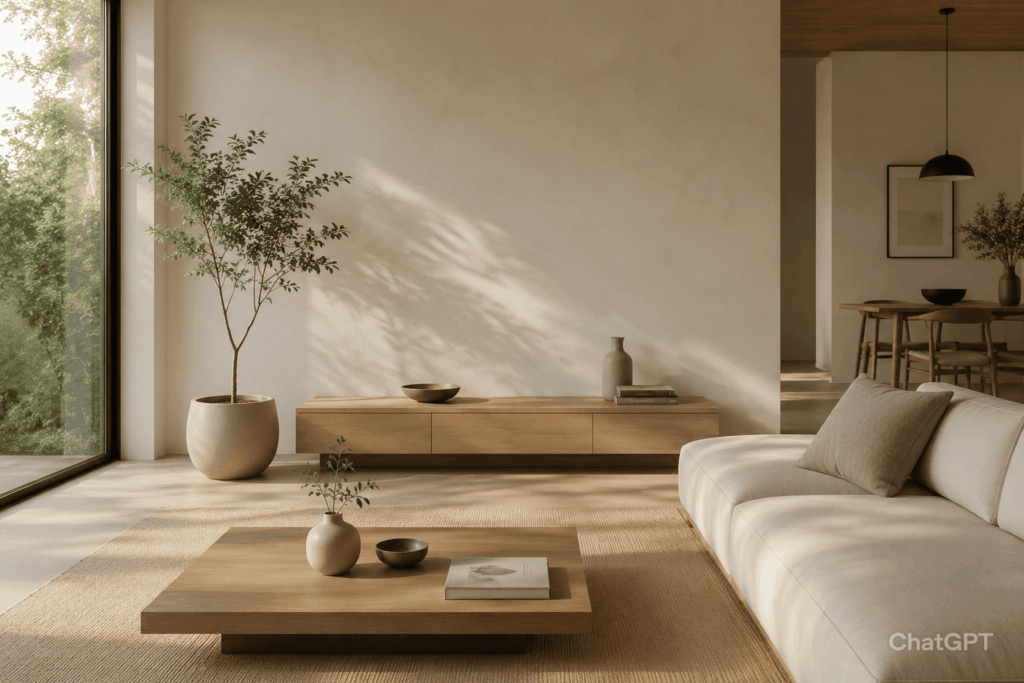
The benefits of minimalism Minimalism for modern living has become more than just a design trend it is a lifestyle philosophy that helps people focus on what truly matters. In today’s fast-paced world, many individuals feel overwhelmed by clutter, constant notifications, excessive commitments, and the pressure to consume more. The concept of embracing a less-is-more mindset offers a refreshing alternative.
Minimalism encourages people to intentionally remove excess possessions, distractions, and obligations that no longer add value to their lives. Rather than promoting deprivation, minimalism creates space for greater clarity, freedom, and purpose. By simplifying our surroundings and priorities, we can spend more time on meaningful experiences, relationships, and personal growth.
As modern life becomes increasingly complex, the appeal of minimalism continues to grow. From decluttering homes to simplifying digital habits, minimalism provides practical strategies for creating a balanced and fulfilling lifestyle.
Understanding Minimalism for Modern Living
At its core, minimalism for modern living is about intentionality. It means choosing quality over quantity and focusing on the things that genuinely contribute to happiness and well-being.
Minimalism does not require living with only a handful of possessions or moving into a tiny home. Instead, it encourages individuals to evaluate what is essential and let go of what is unnecessary.
Some common principles of minimalism include:
- Owning fewer but more meaningful possessions
- Reducing physical and digital clutter
- Spending money intentionally
- Prioritizing experiences over material goods
- Creating more time for personal growth and relationships
- Practicing mindful consumption
Resources such as The Minimalists have helped millions of people understand how simplifying life can lead to greater satisfaction and freedom.
The Mental Health Benefits of a Less-Is-More Mindset
One of the most significant advantages of embracing a less-is-more mindset is its positive impact on mental health.
Reduced Stress and Anxiety
Cluttered environments often contribute to feelings of overwhelm. When every room contains unnecessary items, the brain processes more visual information, which can increase stress levels.
The benefits of minimalism minimalist space tends to feel calmer and more organized, making it easier to relax and focus.
Improved Focus and Productivity
Modern life is filled with distractions. Simplifying your workspace, schedule, and digital environment can help improve concentration and efficiency.
When there are fewer distractions competing for attention, it becomes easier to complete tasks and achieve goals.
https://www.qaskme.com/impact-of-social-media-on-mental-health-key-insights/
Greater Emotional Clarity
Minimalism encourages individuals to examine their priorities and values. This process often leads to increased self-awareness and emotional well-being.
Research and educational resources from Psychology Today frequently discuss how reducing clutter can positively influence mental health and emotional balance.
How Minimalism for Modern Living Creates More Time
Many people feel as though there are not enough hours in the day. Surprisingly, minimalism can help reclaim valuable time.
Less Time Spent Organizing
The more possessions we own, the more time we spend cleaning, maintaining, organizing, and replacing them.
By reducing unnecessary belongings, daily maintenance becomes simpler and more manageable.
Fewer Decisions to Make
Decision fatigue affects everyone. Constantly choosing what to wear, what to buy, and how to organize possessions consumes mental energy.
Minimalism streamlines many of these decisions, freeing mental resources for more important activities.
More Time for Meaningful Experiences
When people spend less time managing possessions, they often have more opportunities to:
- Connect with loved ones
- Pursue hobbies
- Travel
- Exercise
- Learn new skills
- Volunteer within their communities
These experiences often provide more lasting happiness than material purchases.
Minimalist Living and Financial Freedom
Another major benefit of minimalism for modern living is improved financial well-being.
Reduced Impulse Spending
Modern advertising constantly encourages consumers to buy more products. Minimalists often become more intentional shoppers, purchasing items based on need and long-term value rather than impulse.
Increased Savings
Spending less on unnecessary purchases naturally creates opportunities to save and invest.
Many individuals who adopt minimalist habits report:
- Lower monthly expenses
- Reduced debt
- Greater financial security
- Improved long-term planning
Higher Quality Purchases
The benefits of minimalism Minimalism emphasizes buying fewer but better products. This approach often leads to greater satisfaction and less waste over time.
Financial education platforms like Investopedia offer valuable insights into budgeting, saving, and building long-term financial stability.
The Environmental Benefits of a Less-Is-More Mindset
A growing number of people are embracing minimalism because of its environmental advantages.
Reduced Consumption
Buying fewer products means fewer resources are required for manufacturing, packaging, and transportation.
Less Waste
Minimalists often focus on repairing, reusing, donating, and recycling items whenever possible.
More Sustainable Choices
When purchases are made intentionally, consumers tend to choose products that are:
- Durable
- Ethically produced
- Environmentally friendly
- Long-lasting
Organizations such as World Wildlife Fund (WWF) provide resources on sustainable living practices that align well with minimalist principles.
Digital Minimalism for Modern Living
The benefits of minimalism extend beyond physical possessions. Digital clutter can be equally overwhelming.
Managing Screen Time
Many people spend several hours each day on smartphones, social media, and digital platforms. Digital minimalism encourages mindful technology use.
Practical steps include:
- Turning off non-essential notifications
- Limiting social media use
- Unsubscribing from unwanted emails
- Organizing digital files
- Scheduling screen-free periods
Improving Online Well-Being
Reducing digital distractions can enhance:
- Sleep quality
- Focus
- Creativity
- Relationships
- Mental wellness
Author and computer scientist Cal Newport popularized many of these ideas through his work on intentional technology use.
Building Stronger Relationships Through Minimalism
The benefits of minimalism encourage people to prioritize relationships over possessions.
More Quality Time
Instead of focusing on acquiring more things, individuals can invest energy into meaningful interactions.
Better Communication
A simplified lifestyle often reduces stress and creates more opportunities for genuine conversations and deeper connections.
Shared Experiences
Research consistently shows that experiences tend to contribute more to long-term happiness than material possessions.
Examples include:
- Family gatherings
- Outdoor adventures
- Learning opportunities
- Community involvement
- Cultural experiences
Practical Ways to Start Embracing Minimalism for Modern Living
Getting started with minimalism does not require dramatic changes.
Begin with One Small Area
Choose a single space such as:
- A closet
- A desk
- A kitchen drawer
- A bookshelf
Small victories create momentum.
Ask Meaningful Questions
When evaluating possessions, consider:
- Do I use this regularly?
- Does it add value to my life?
- Would I buy it again today?
- Is it serving a meaningful purpose?
Create Intentional Habits
Minimalism is most effective when supported by daily habits.
Examples include:
- Practicing gratitude
- Shopping intentionally
- Limiting unnecessary commitments
- Reviewing possessions regularly
- Prioritizing experiences over purchases
Focus on Progress, Not Perfection
Minimalism looks different for everyone. The goal is not to own the fewest things possible but to create a lifestyle aligned with personal values and goals.
Common Myths About the Less-Is-More Mindset
Myth 1: Minimalism Means Owning Almost Nothing
Minimalism is about intentional ownership, not extreme deprivation.
Myth 2: Minimalism Is Only About Home Design
While minimalist interiors are popular, the philosophy extends to finances, schedules, technology, and personal priorities.
Myth 3: Minimalism Is Only for Certain People
Minimalism can benefit people from all backgrounds, lifestyles, and income levels.
The principles are flexible and adaptable to individual needs.
The Future of Minimalism for Modern Living
As society becomes increasingly connected and fast-paced, many people are seeking ways to reduce stress and create more meaningful lives. Minimalism offers practical solutions that address many modern challenges, including information overload, consumerism, financial pressure, and environmental concerns.
The growing popularity of minimalist living suggests that the desire for simplicity is not a passing trend but a long-term shift toward intentional living. By embracing a less-is-more mindset, individuals can create greater clarity, freedom, and fulfillment in their daily lives.
Conclusion
The benefits of minimalism for modern living extend far beyond having a tidy home. Embracing a less-is-more mindset can improve mental well-being, increase productivity, strengthen relationships, support financial goals, and promote environmental sustainability.
Minimalism is ultimately about making room for what matters most. By intentionally simplifying possessions, commitments, and distractions, people can focus their energy on meaningful experiences, personal growth, and lasting happiness. In a world that often encourages more, minimalism reminds us that sometimes less truly is more.