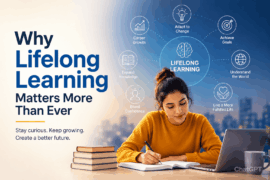
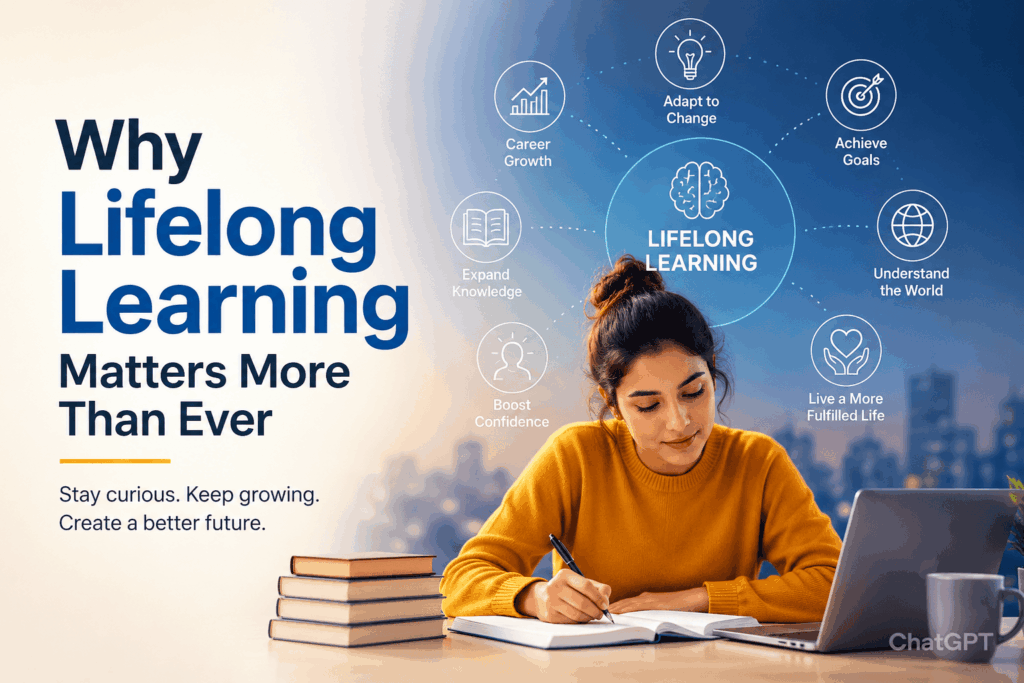
In today’s rapidly changing world, lifelong learning has become more important than ever. From technological advancements and evolving workplaces to personal growth and global connectivity, continuous learning helps individuals stay relevant, adaptable, and confident. Whether you’re a student, professional, entrepreneur, or retiree, lifelong learning empowers you to acquire new skills, expand your knowledge, and embrace opportunities in an increasingly dynamic society.
The concept of lifelong learning is no longer limited to formal education. It encompasses all forms of learning throughout life, including online courses, professional development, self-study, workshops, mentorship, and everyday experiences. As industries transform and new challenges emerge, the ability to learn continuously has become one of the most valuable skills anyone can possess.
What Is Lifelong Learning?
Lifelong learning refers to the ongoing pursuit of knowledge and skills throughout a person’s life. It is driven by curiosity, personal development, career advancement, and the desire to adapt to changing circumstances.
Unlike traditional education, which often ends after school or university, lifelong learning continues beyond formal institutions. It encourages individuals to remain engaged with new ideas, technologies, and experiences.
Examples of lifelong learning include:
- Taking online courses
- Learning a new language
- Developing digital skills
- Reading books regularly
- Attending seminars and workshops
- Exploring new hobbies
- Participating in professional certifications
Organizations such as the United Nations Educational, Scientific and Cultural Organization (UNESCO) highlight the importance of lifelong learning in building inclusive and sustainable societies: https://www.unesco.org.
Why Lifelong Learning Matters in the Modern World
The modern world is changing at an unprecedented pace. New technologies emerge regularly, industries evolve, and job requirements shift rapidly. Continuous learning enables people to adapt and thrive amid these changes.
Adapting to Technological Change
Technology is transforming nearly every aspect of life. Artificial intelligence, automation, cloud computing, and digital platforms are reshaping industries worldwide.
Professionals who invest in lifelong learning can stay ahead of technological developments and remain competitive in their careers. Learning new tools and technologies helps individuals improve productivity and seize emerging opportunities.
For insights into digital skills and workforce trends, visit the World Economic Forum: https://www.weforum.org.
Staying Competitive in the Job Market
Employers increasingly value candidates who demonstrate a commitment to continuous learning. Skills that were relevant a decade ago may no longer be sufficient today.
Lifelong learners are often better positioned to:
- Secure promotions
- Transition into new careers
- Increase earning potential
- Adapt to changing job requirements.
- Build professional resilience
As organizations seek adaptable employees, learning becomes a strategic investment in long-term career success.
The Benefits of Lifelong Learning
Enhanced Career Growth Through Lifelong Learning
One of the most significant advantages of lifelong learning is career development. Acquiring new skills can open doors to leadership roles, specialized positions, and entrepreneurial opportunities.
Continuous learners often demonstrate initiative, problem-solving abilities, and adaptability qualities highly valued by employers.
Improved Cognitive Health
Research suggests that ongoing learning can support brain health and cognitive function. Engaging in intellectually stimulating activities helps strengthen memory, concentration, and critical thinking skills.
Learning challenges the brain to form new connections, which may contribute to long-term mental well-being.
For additional resources on learning and education, explore the educational content available through https://www.edx.org and https://www.coursera.org.
Increased Confidence and Self-Esteem
Mastering new skills often leads to a greater sense of accomplishment. Whether learning to code, speak a foreign language, or develop leadership skills, continuous progress builds confidence.
Greater Adaptability
Change is inevitable. Lifelong learners develop the ability to adapt to new environments, technologies, and circumstances.
Adaptability is particularly valuable during economic shifts, career transitions, and global disruptions. Continuous learning equips individuals with the tools needed to navigate uncertainty effectively.
Lifelong Learning and Personal Growth
Expanding Perspectives Through Continuous Learning
Learning introduces people to diverse viewpoints, cultures, and ideas. Exposure to different perspectives fosters empathy, understanding, and open-mindedness.
Reading widely, participating in discussions, and exploring unfamiliar topics can enrich personal development and strengthen interpersonal relationships.
Building Meaningful Hobbies and Interests
Lifelong learning is not solely about professional advancement. It also enhances quality of life through personal interests and hobbies.
People can pursue learning opportunities such as:
- Photography
- Cooking
- Music
- Gardening
- Creative writing
- Fitness and wellness
- Arts and crafts
These activities contribute to personal fulfillment and overall well-being.
Strengthening Problem-Solving Skills
Continuous learning develops analytical thinking and problem-solving abilities. As individuals encounter new information and challenges, they learn to evaluate situations critically and make informed decisions.
These skills are valuable in both personal and professional contexts.
The Role of Online Learning in Lifelong Education
The internet has revolutionized access to education. Today, anyone with an internet connection can access high-quality learning resources from leading institutions worldwide.
Popular platforms include:
- Coursera: https://www.coursera.org
- edX: https://www.edx.org
- Khan Academy: https://www.khanacademy.org
- LinkedIn Learning: https://www.linkedin.com/learning
Online learning offers flexibility, affordability, and accessibility, making lifelong education more achievable than ever before.
Benefits of Online Lifelong Learning
- Learn at your own pace.
- Access global expertise
- Develop job-relevant skills
- Earn professional certificates
- Explore new interests conveniently.
These advantages have made online education a powerful tool for personal and professional growth.
How to Develop a Lifelong Learning Mindset
Set Clear Learning Goals
Define what you want to achieve and why it matters. Clear goals provide motivation and direction for your learning journey.
Make Learning a Daily Habit
Consistency is more important than intensity. Reading for 20 minutes, completing a short lesson, or practicing a skill daily can lead to significant progress over time.
Embrace Curiosity
Curiosity drives exploration and discovery. Ask questions, seek new experiences, and remain open to learning from others.
Learn from Mistakes
Failure is often an important part of growth. Viewing mistakes as learning opportunities encourages resilience and continuous improvement.
Seek Diverse Learning Sources
Combine books, podcasts, courses, videos, workshops, and real-world experiences to create a rich and engaging learning experience.
The Future of Lifelong Learning
As the world becomes increasingly interconnected and technology-driven, lifelong learning will continue to play a crucial role in personal and professional success.
Future trends may include:
- AI-powered personalized learning
- Virtual and augmented reality education
- Micro-credential programs
- Skills-based hiring practices
- Greater emphasis on digital literacy
Individuals who cultivate a lifelong learning mindset will be better equipped to thrive in this evolving landscape.
Conclusion
Why lifelong learning matters more than ever is clear in today’s fast-changing world. Continuous learning enables individuals to adapt to technological advances, remain competitive in the workforce, improve cognitive health, and pursue meaningful personal growth. It fosters resilience, confidence, and adaptability while opening doors to new opportunities and experiences.
By embracing lifelong learning, people can stay curious, relevant, and prepared for the future. Whether through online courses, professional development, personal hobbies, or everyday experiences, the commitment to continuous learning is one of the most valuable investments anyone can make in themselves.